Traditional Staircase Design Ideas for 2026: How to Add Character, Craftsmanship and Timeless Style to Your Home
This article explains the pros and cons of traditional staircase designs for homeowners considering a staircase renovation, bespoke staircase or character-led joinery project. It outlines where traditional staircases work best, which design details make them feel timeless rather than dated, and how they compare with modern staircase styles. Whether you are renovating a period property or adding warmth to a new-build home, this guide provides clear insight into whether a traditional staircase is right for your space, layout and lifestyle, and how Central Joinery Group can help through a bespoke staircase design review.
Traditional Staircase Design Ideas
Is a Traditional Staircase Right for Your Home, Layout and Style? What To Consider Before Choosing One
Some styles never really go out of fashion. They simply evolve with the homes they are made for.
A traditional staircase is one of those features.
You might have seen one in a period property, a countryside renovation, a characterful hallway or even a new-build home that has been designed to feel warmer and more considered.
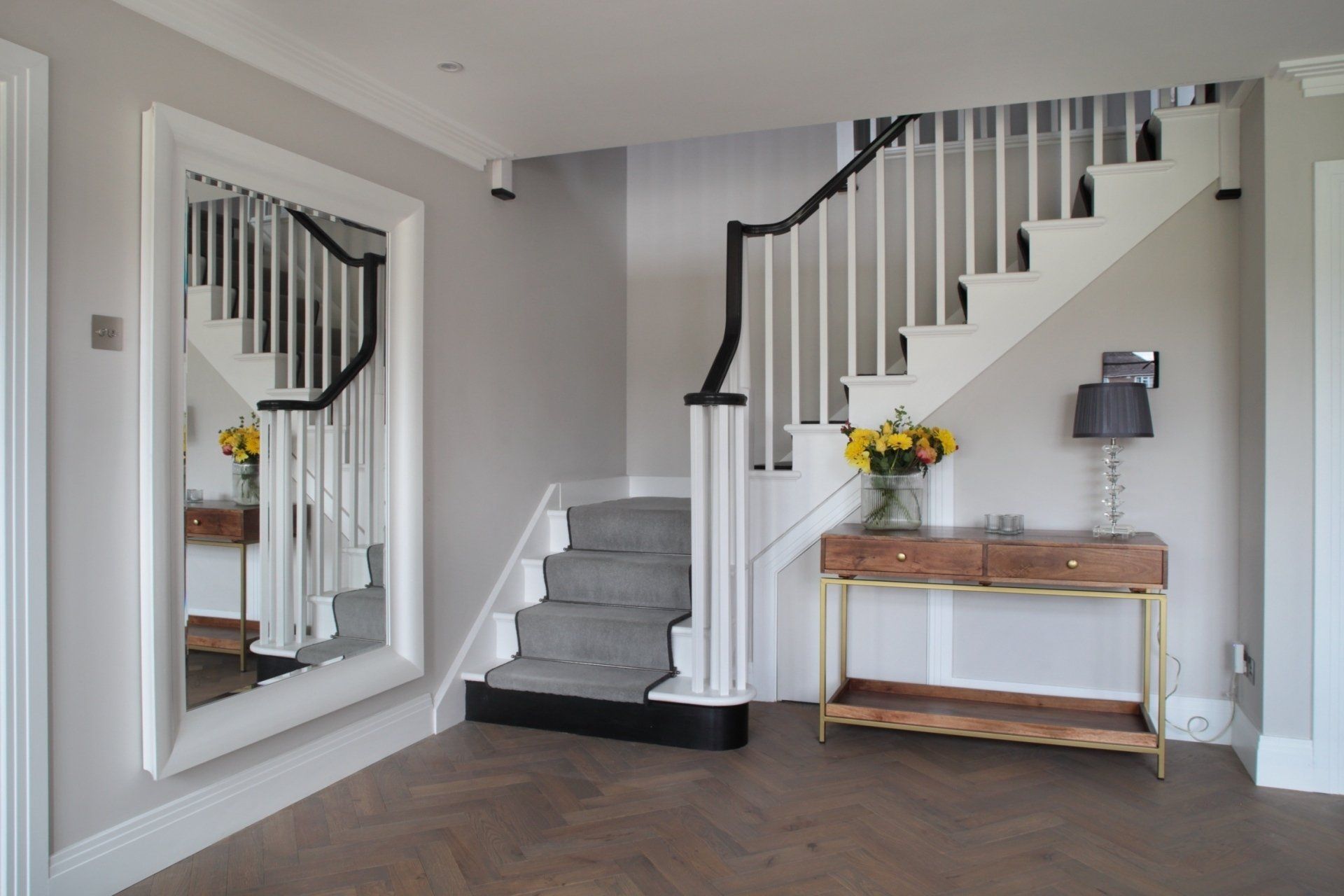
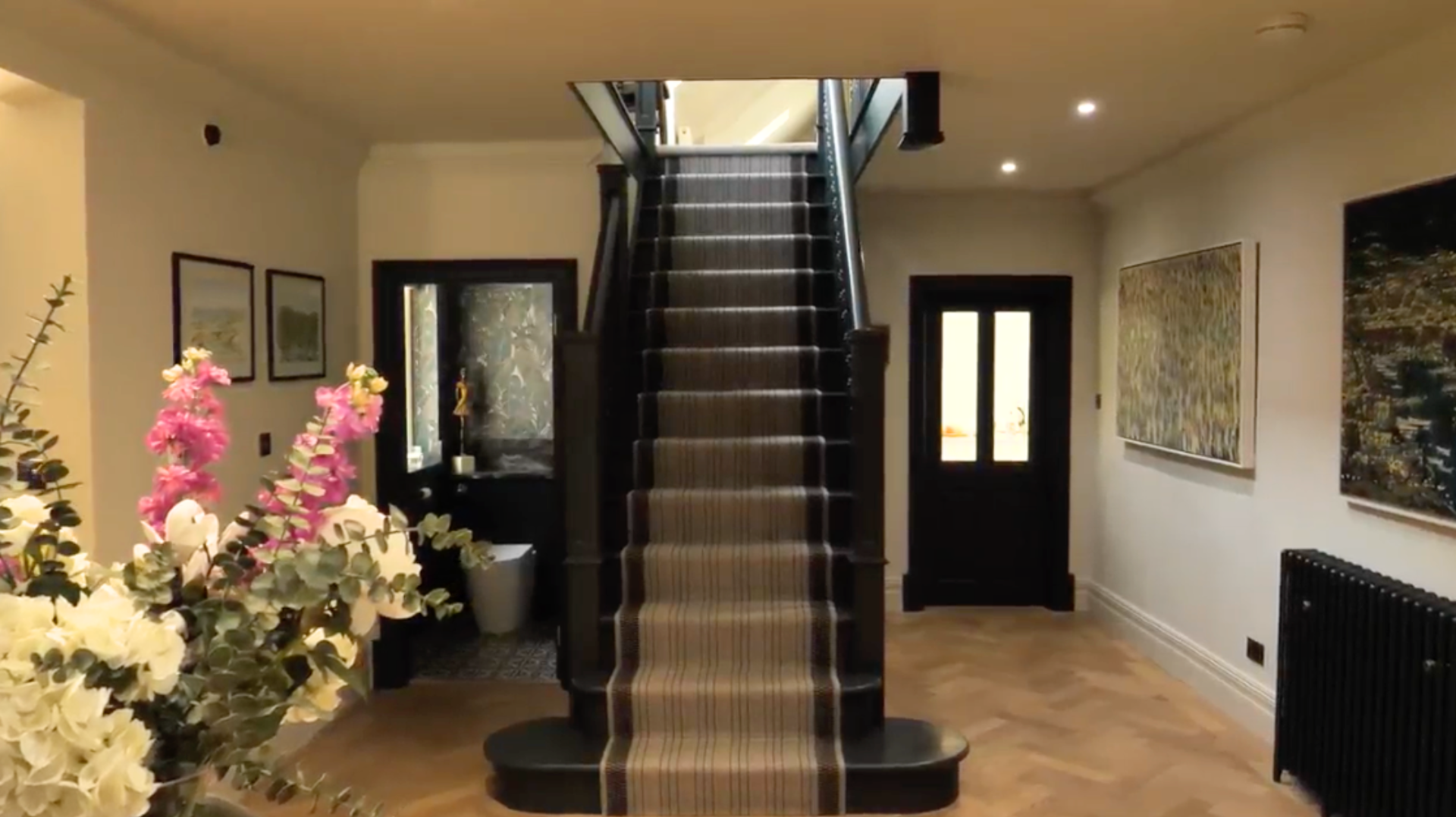
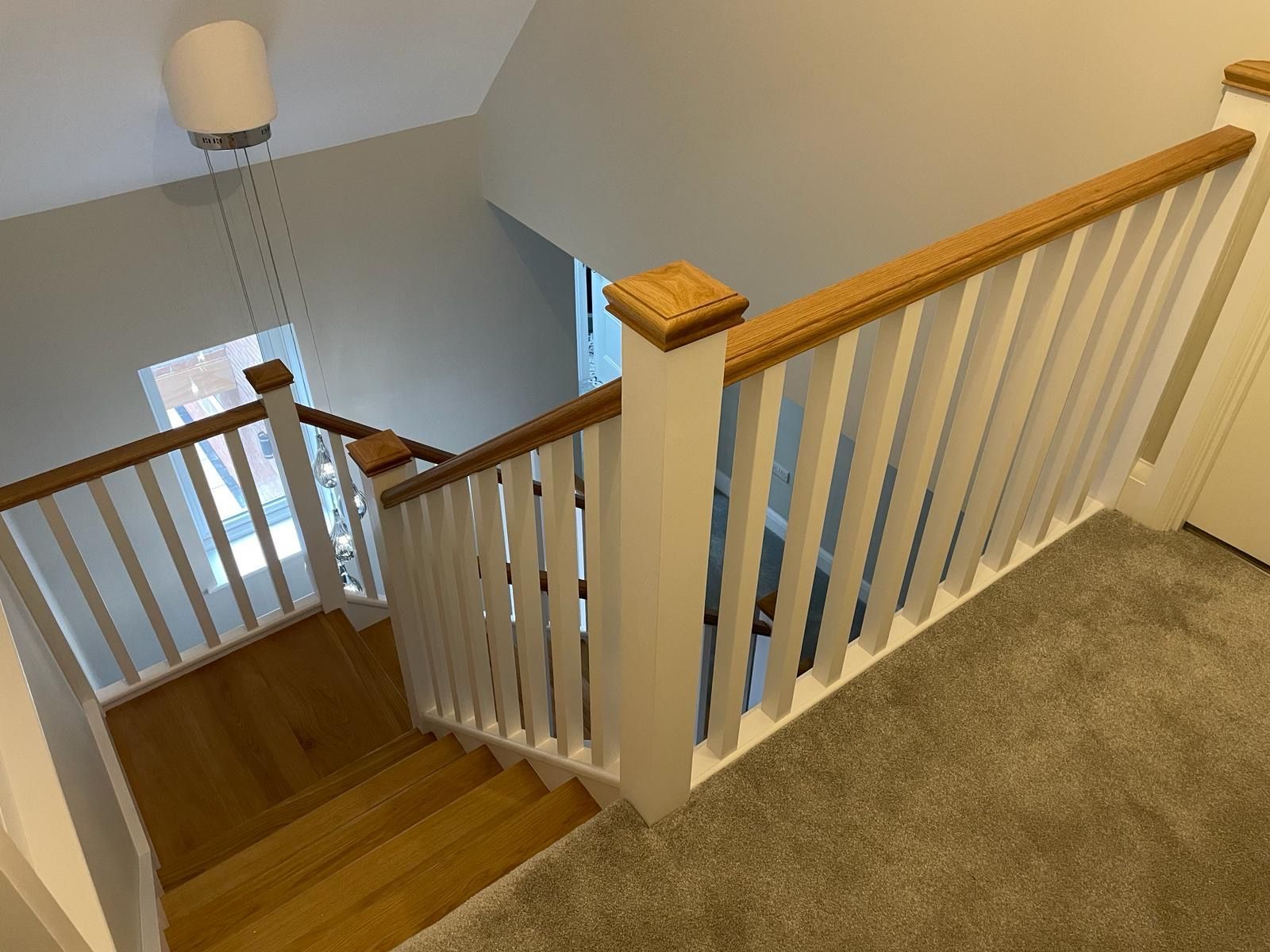
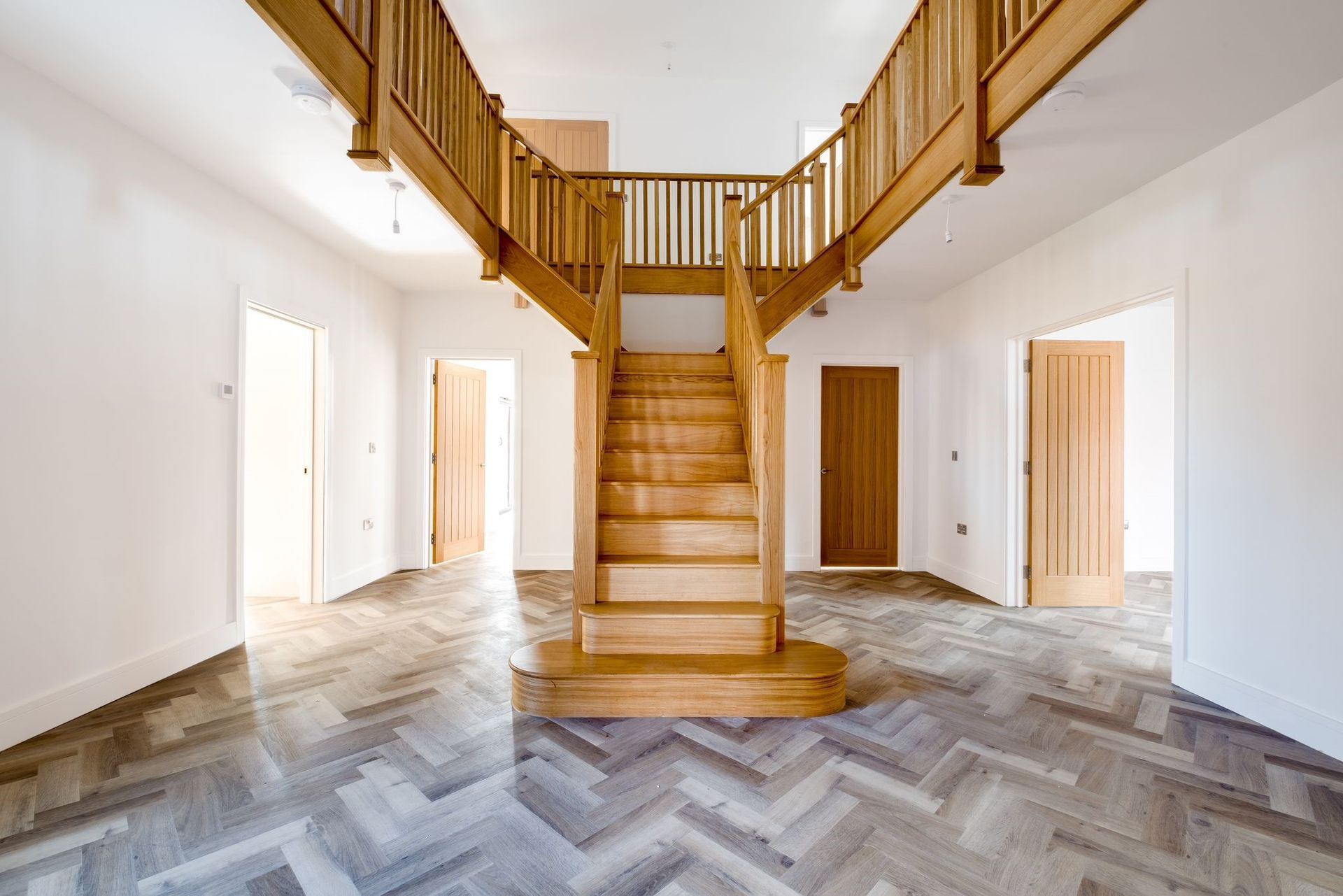
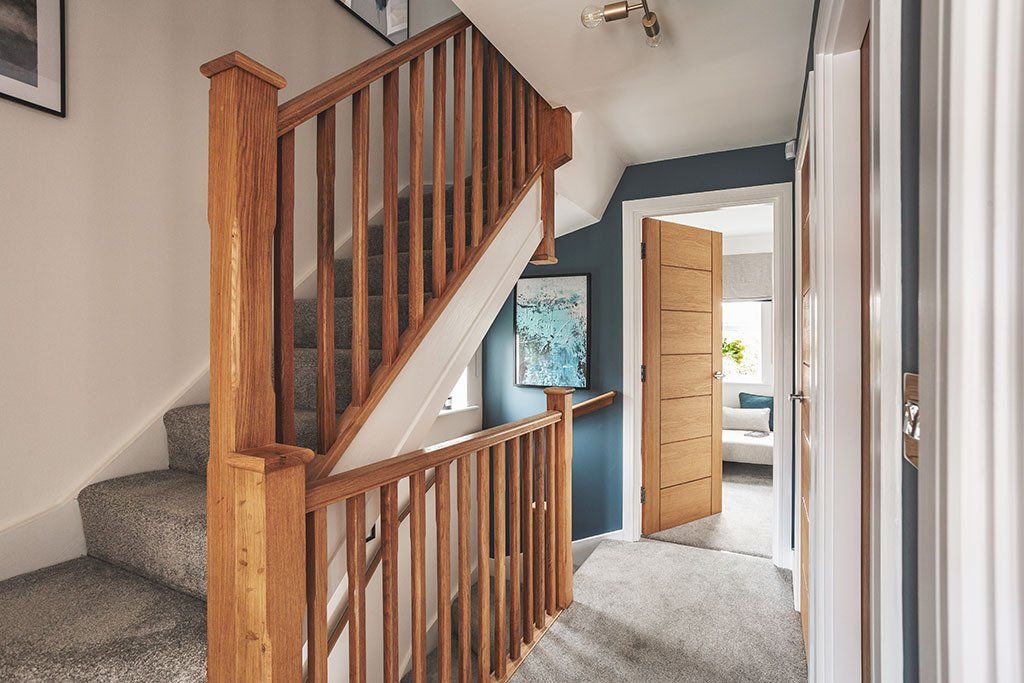
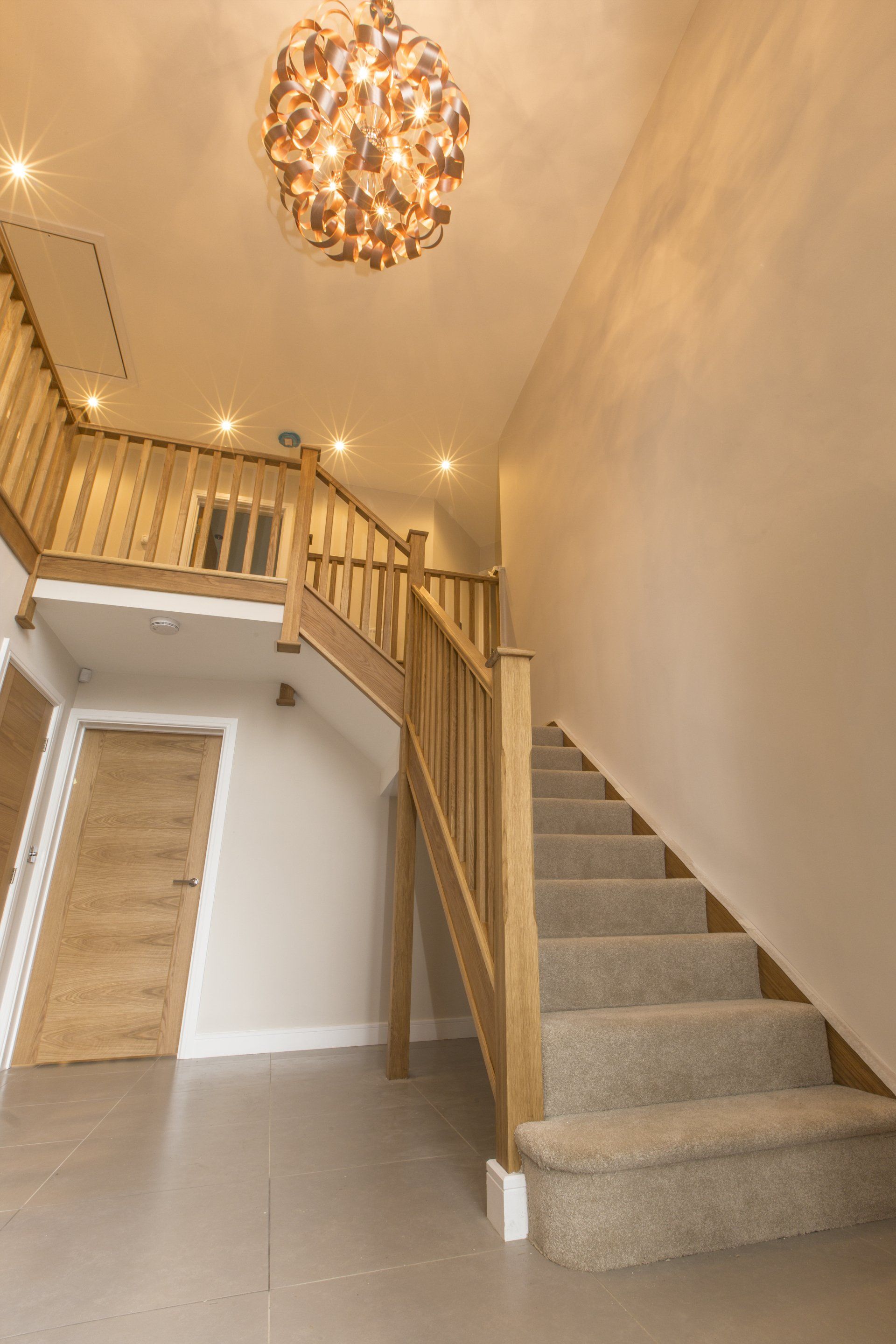
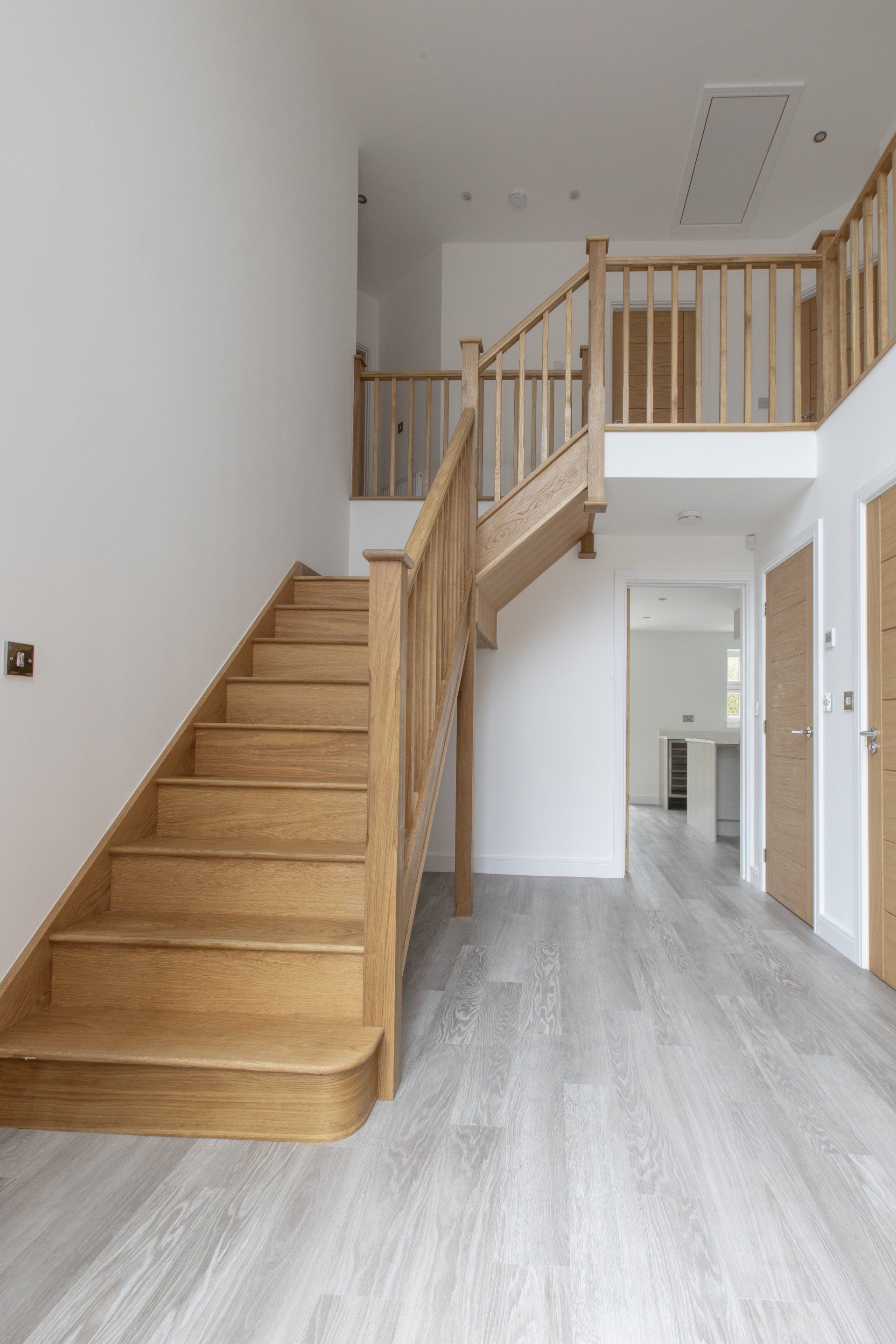
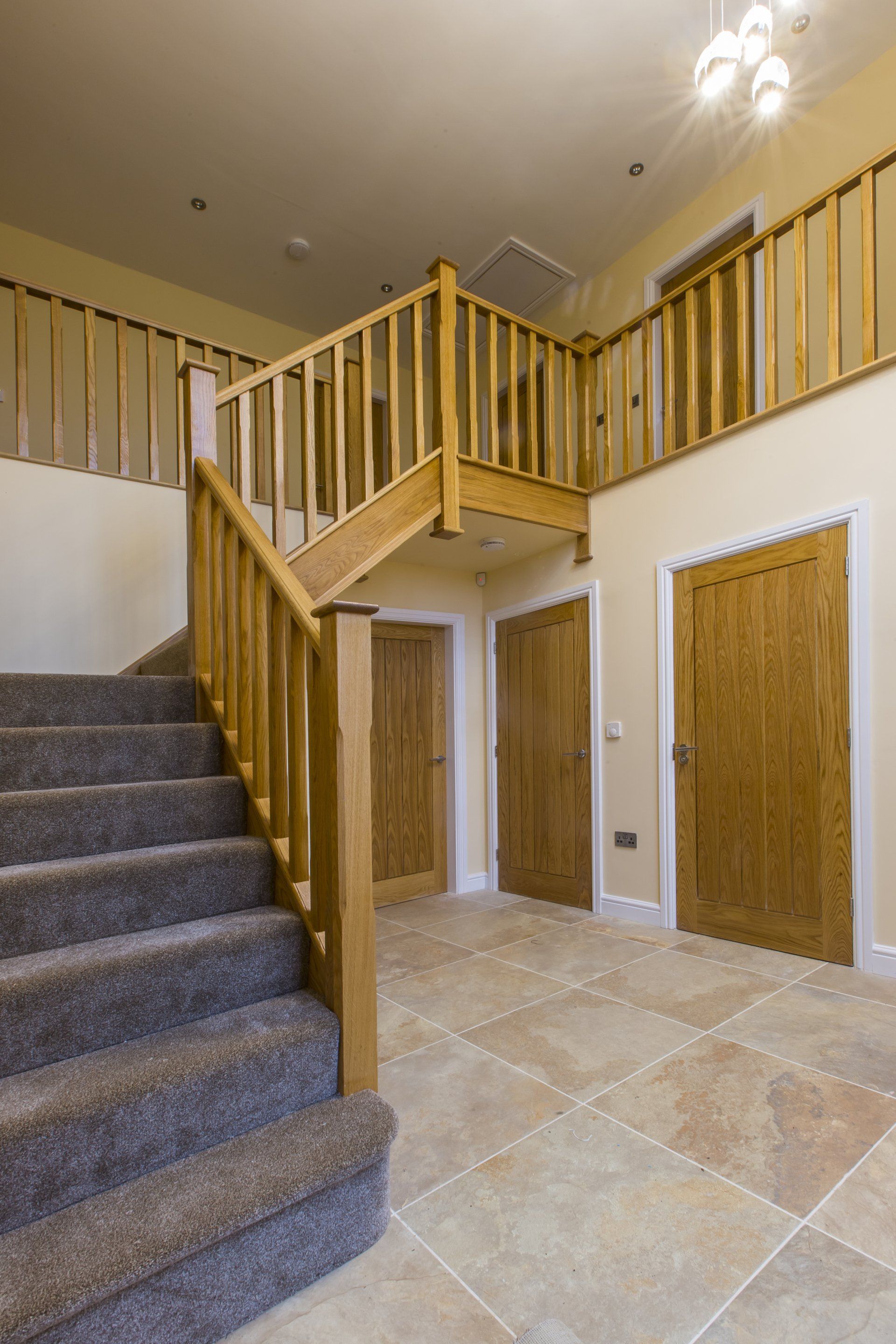
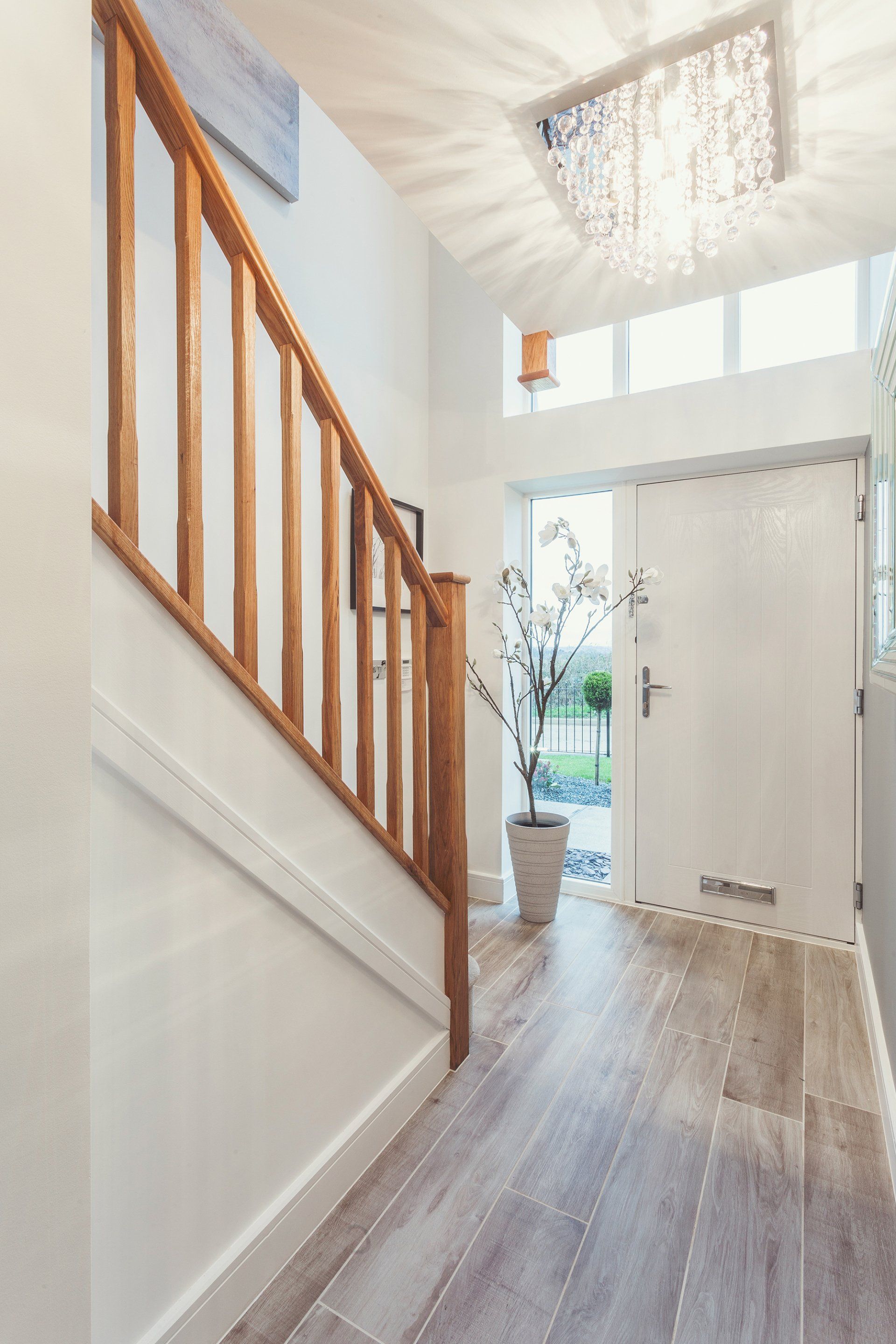
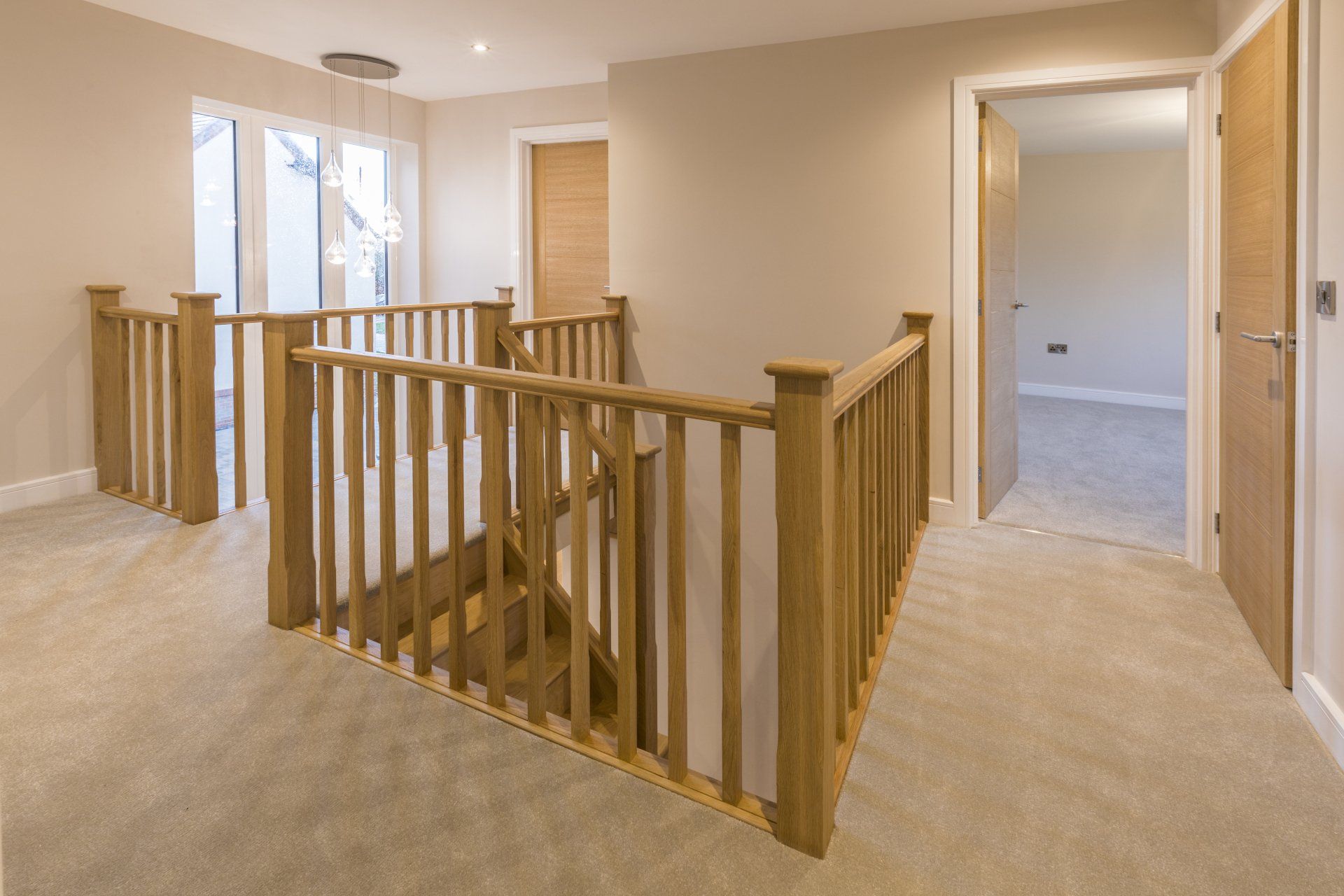
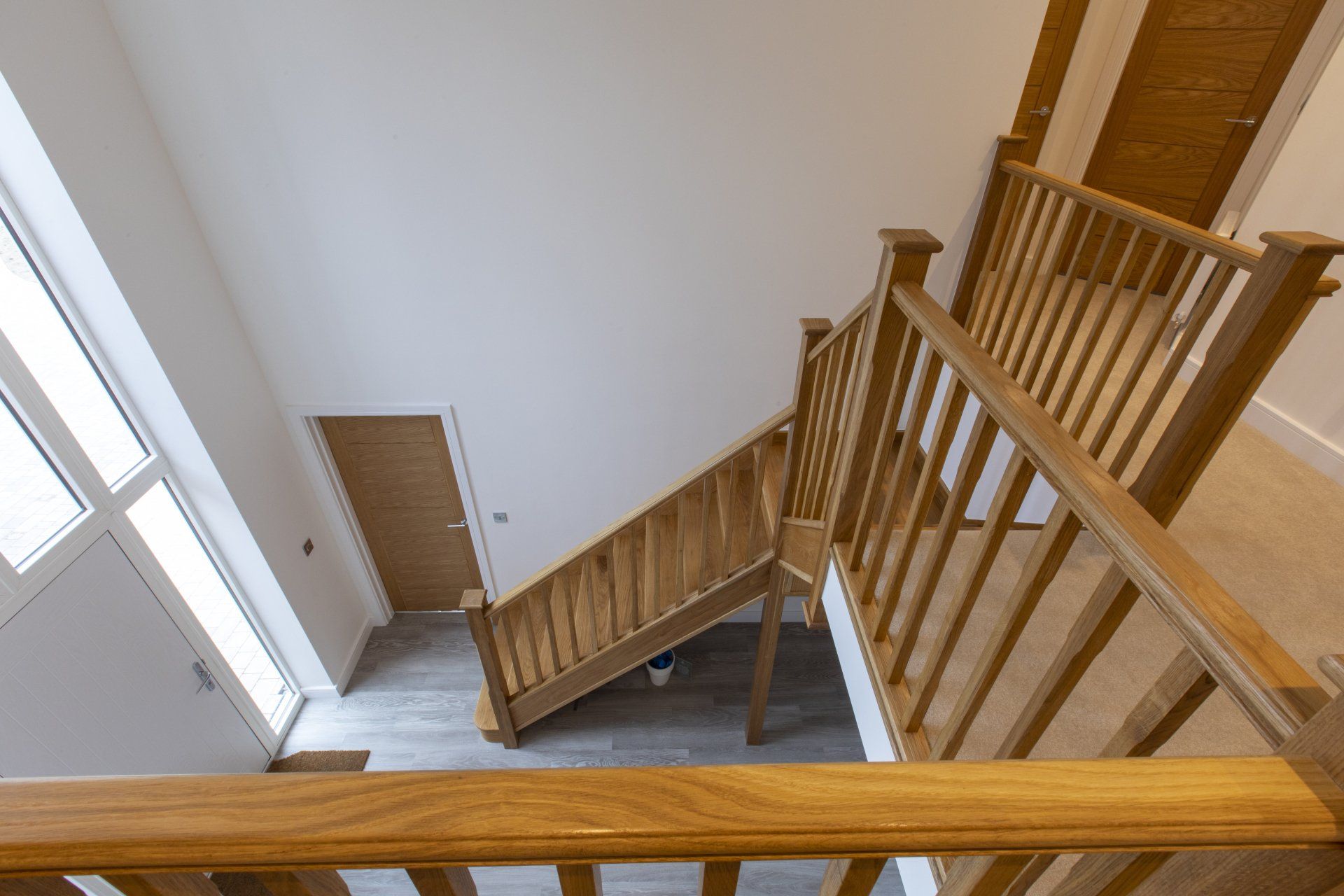
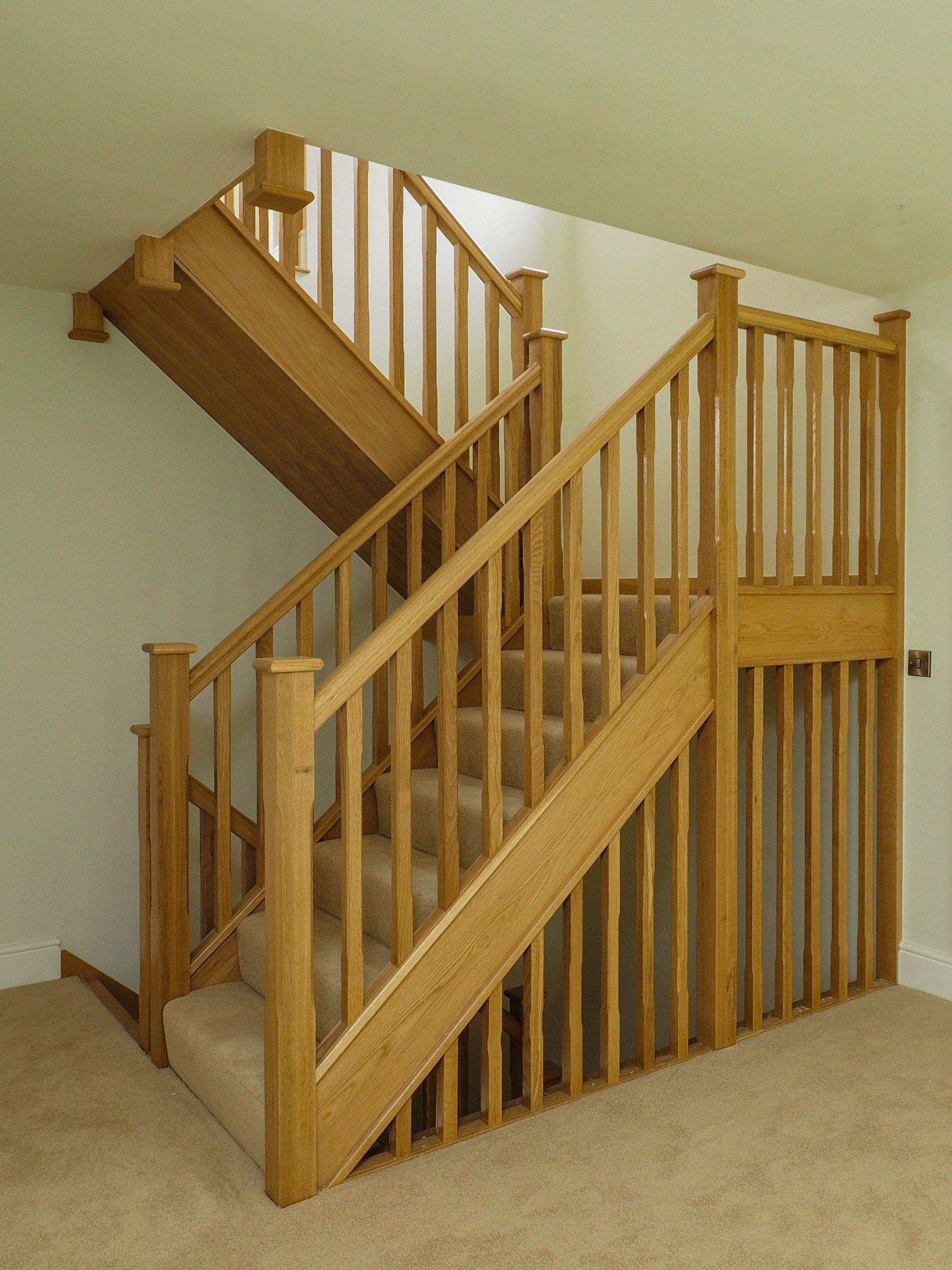
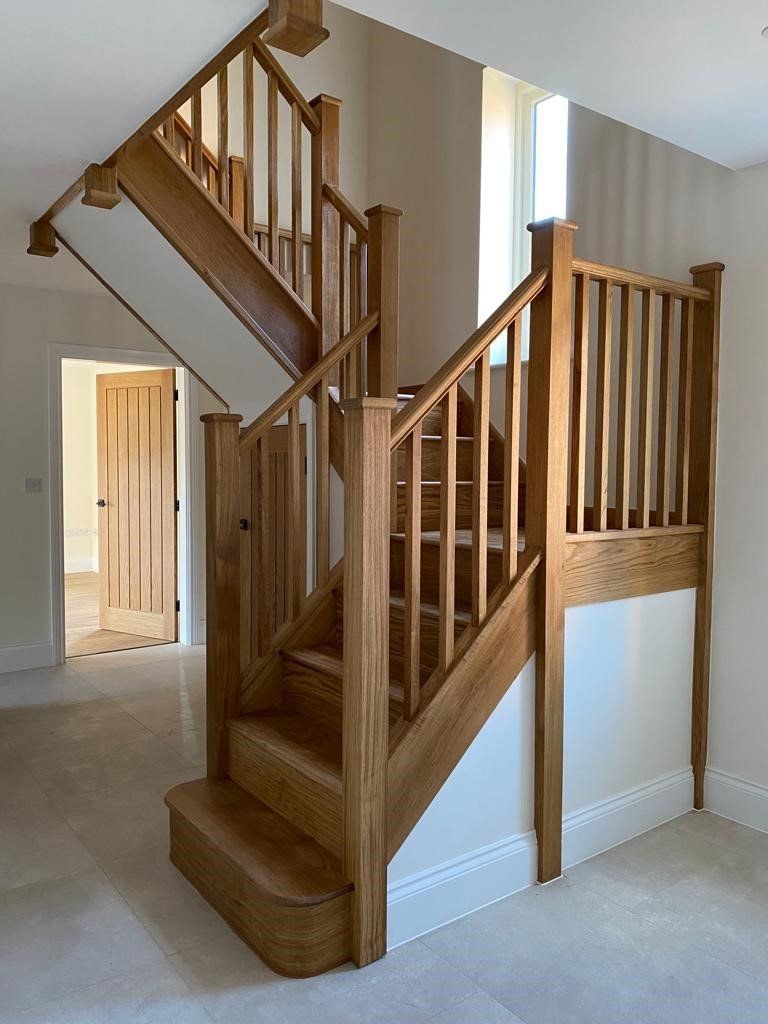
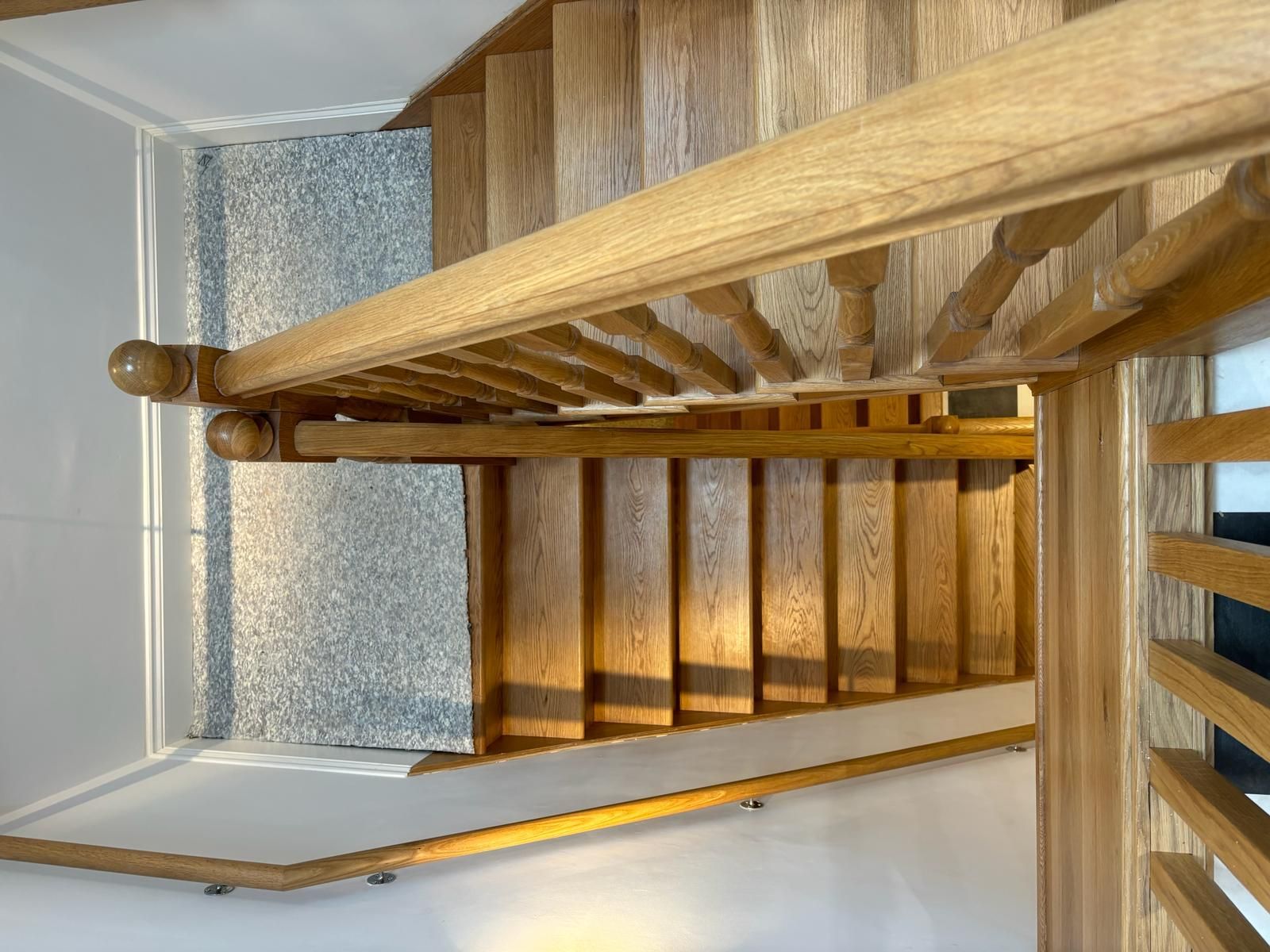
The details are often what make it memorable: the oak handrail, the painted spindles, the solid newel posts, the balanced proportions and the sense that the staircase truly belongs in the home.
But if you are thinking about choosing a traditional staircase, you are probably not just looking for inspiration.
You are likely wondering whether it will work in your home.
Will it feel timeless or too old-fashioned?
Will oak make the space feel warm or too heavy?
Should you choose painted spindles or natural timber?
Can a traditional staircase work in a modern home?
And is a bespoke staircase worth it if you want the design to feel right for your space?
Those are exactly the right questions to ask.
A traditional staircase can add warmth, character and craftsmanship to the right home, but the best designs are not just chosen for how they look.
They are planned around your hallway, your layout, your interior style and the way your home is used every day.
Are Traditional Staircases Still Popular in 2026?
Yes, traditional staircases are still popular in 2026 because they bring something many homeowners want more of: warmth, character and craftsmanship.
Modern interiors can look beautiful, but they can sometimes feel plain or unfinished without enough texture, detail or architectural interest.
A traditional staircase helps solve that. It gives the hallway structure, adds a sense of permanence and creates a feature that feels carefully made rather than simply installed.
Traditional staircase design has also changed. It does not have to mean dark timber, heavy detailing or a staircase that only suits period homes.
Today, traditional staircases can be softer, cleaner and more adaptable.
You might choose:
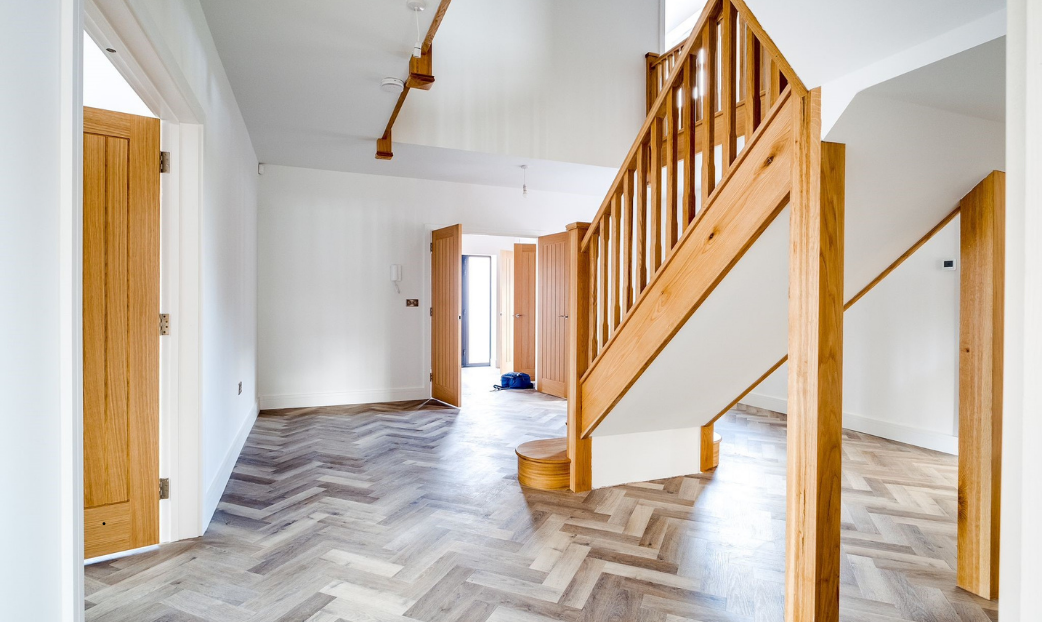
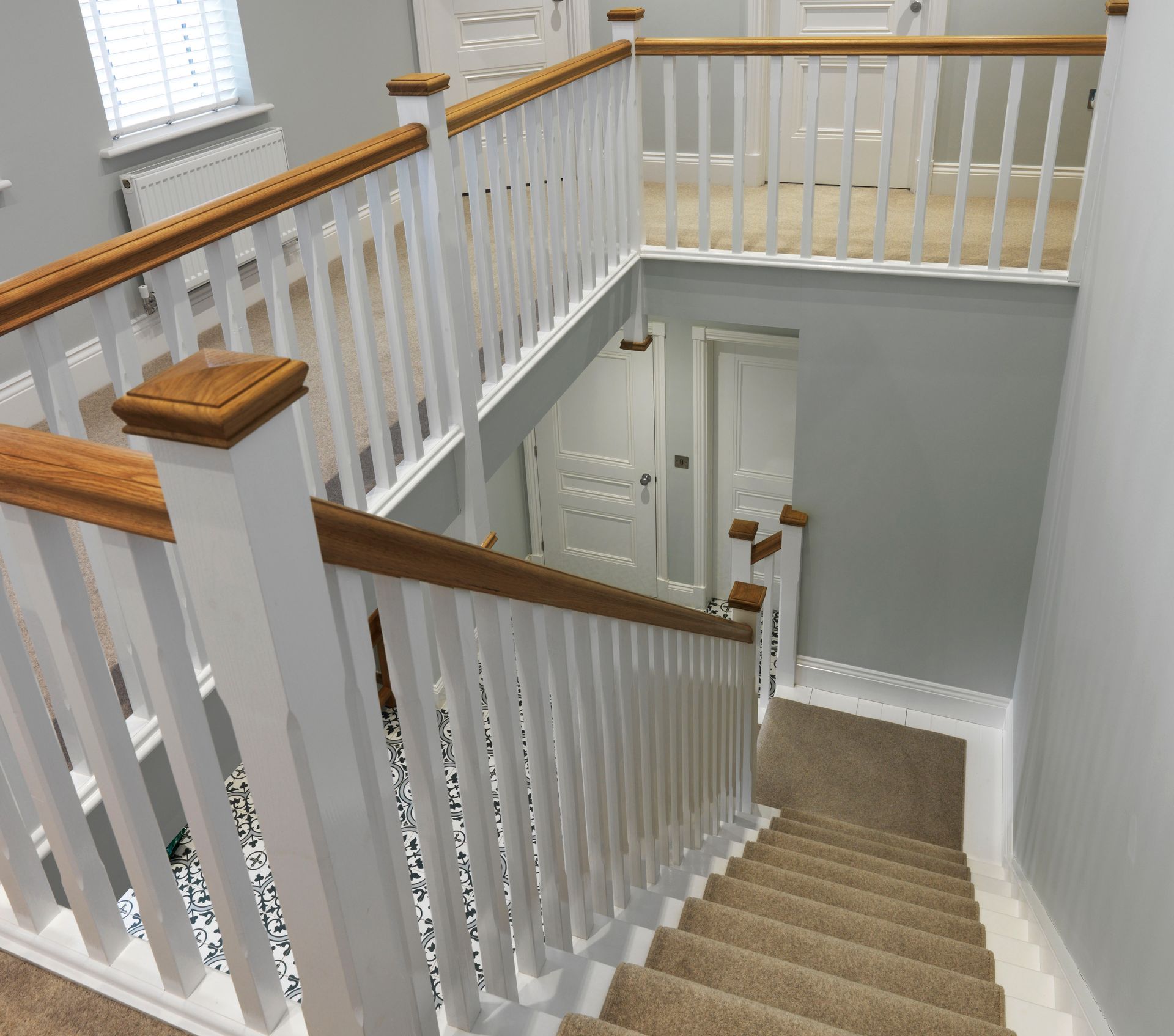
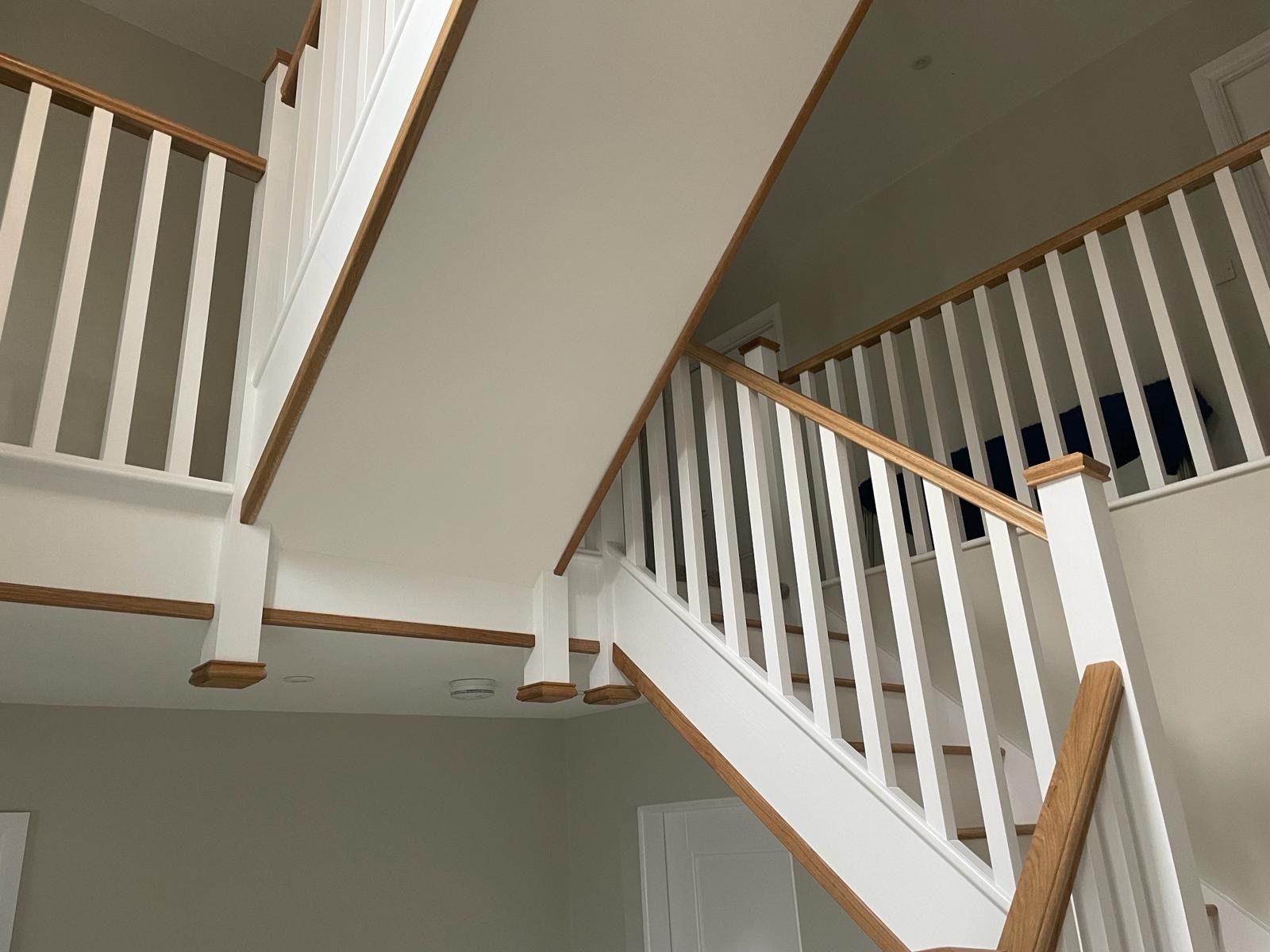
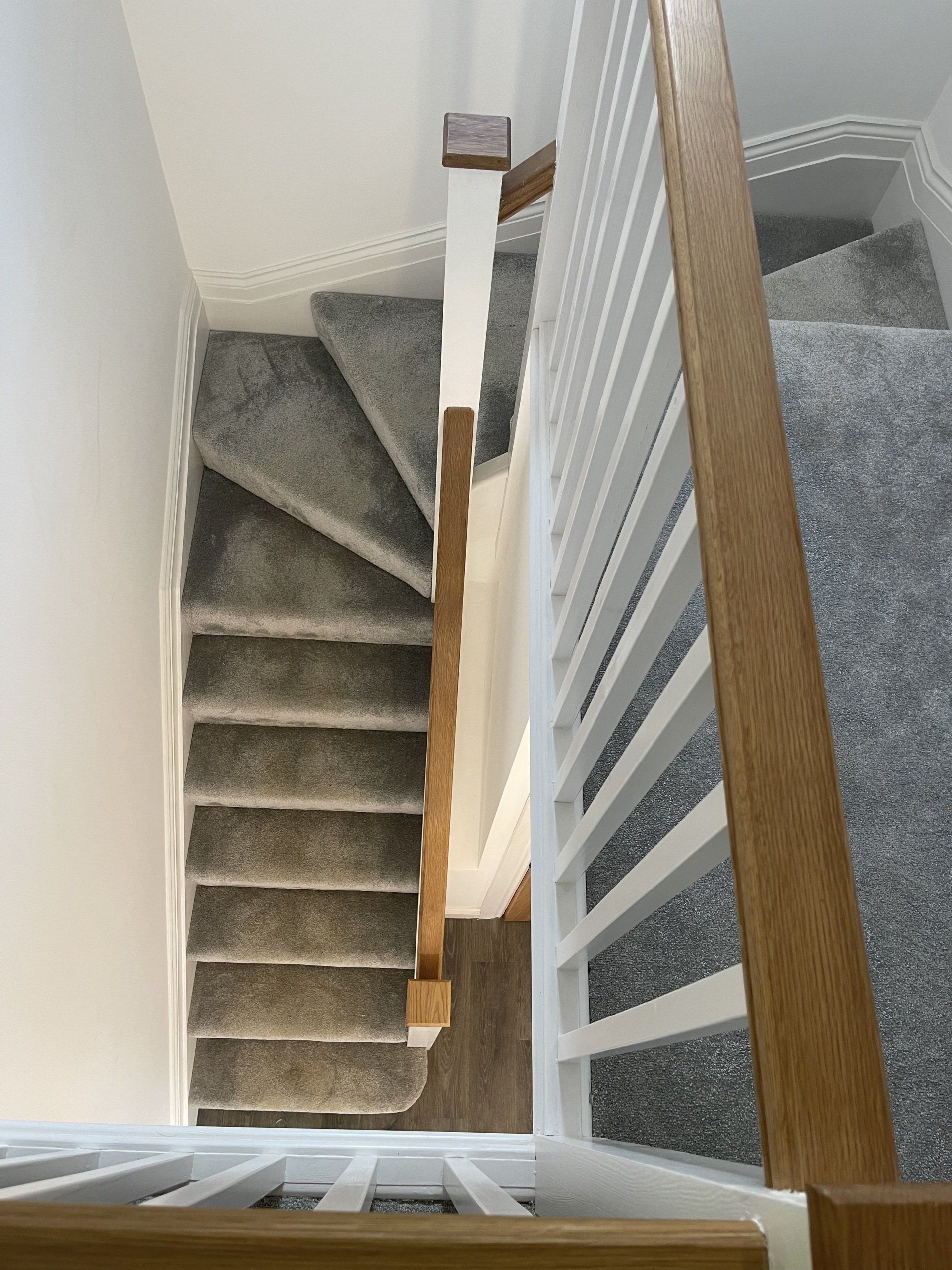
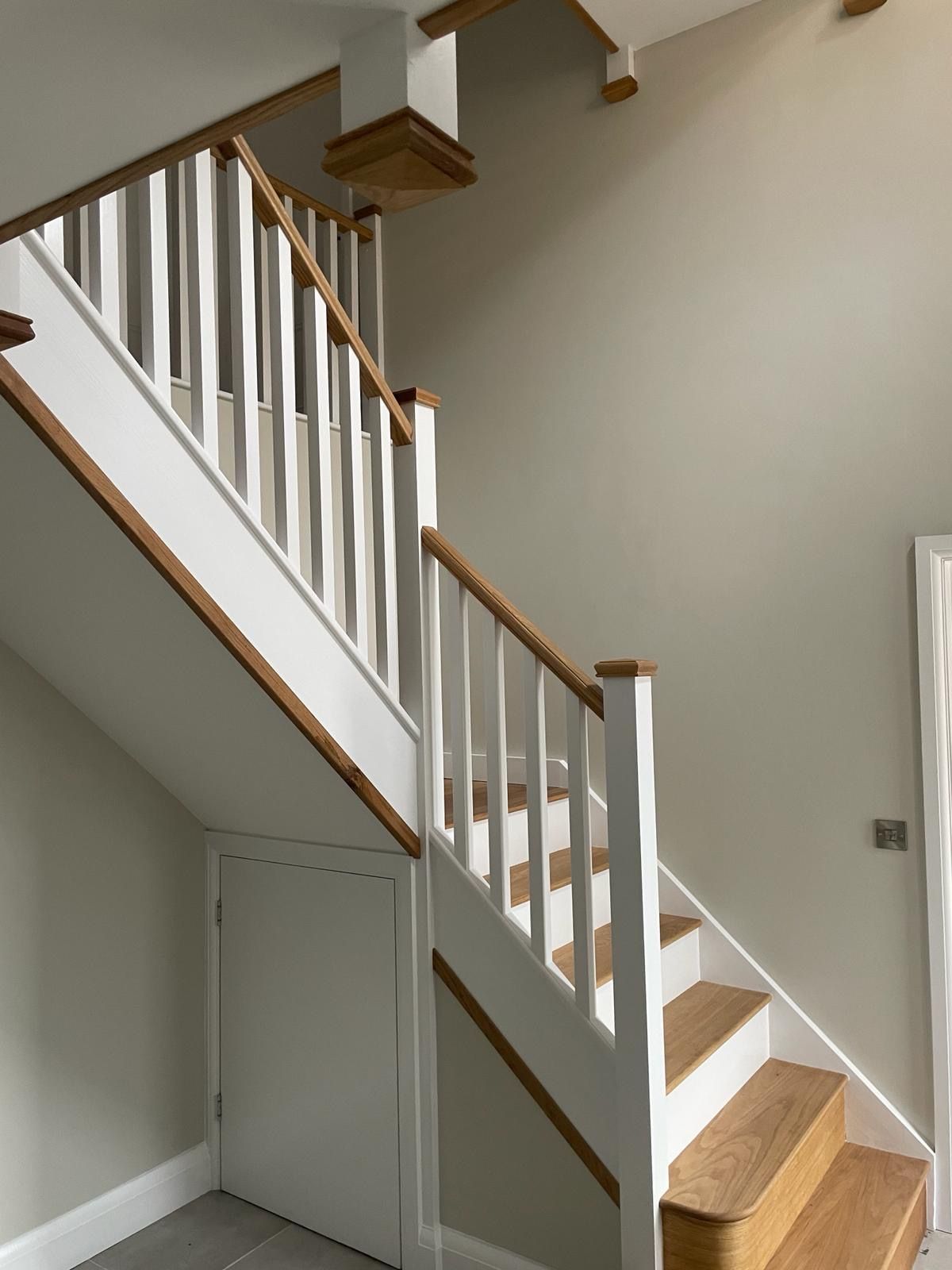
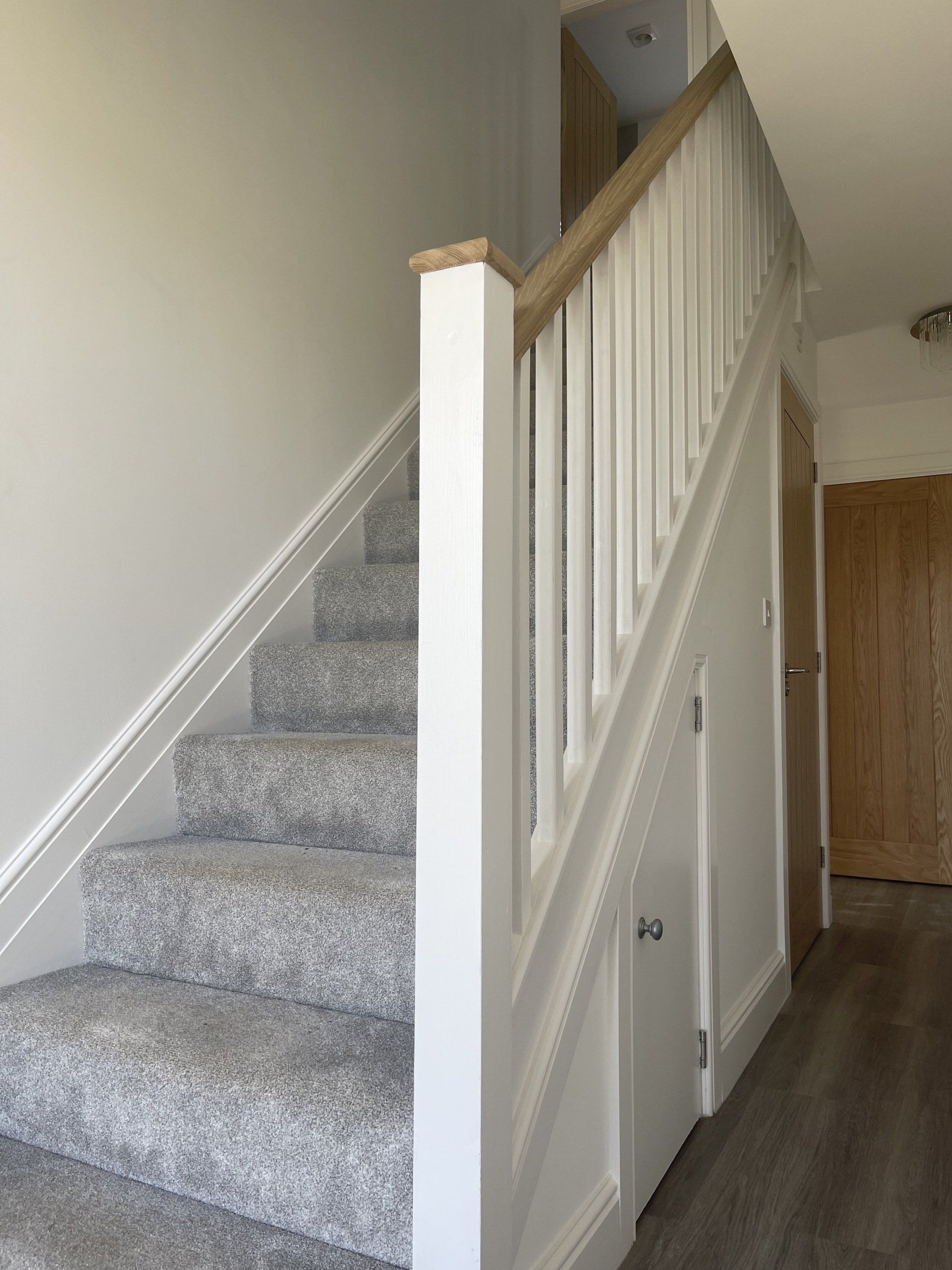
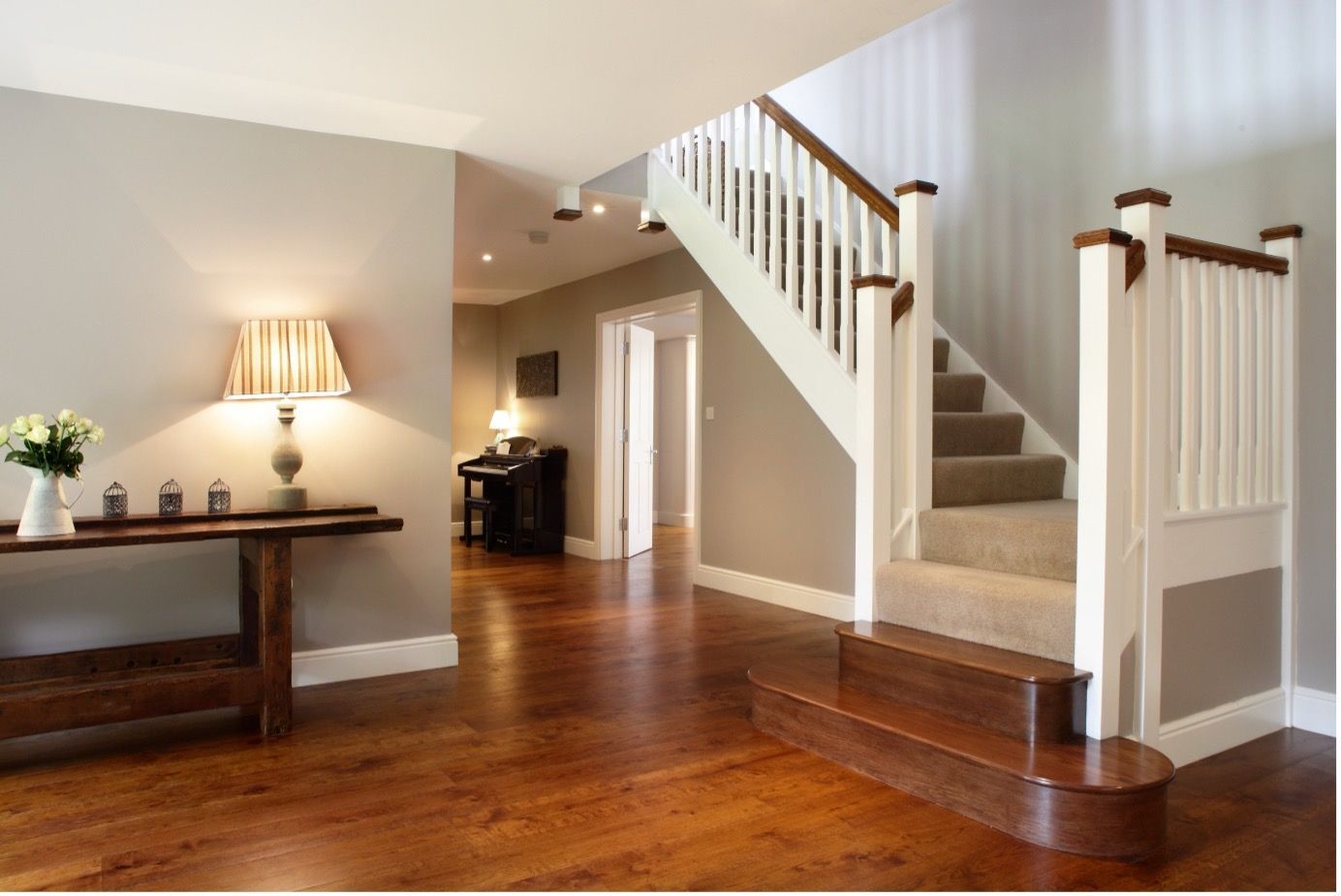
- Oak handrails with painted spindles
- Simple square newel posts for a cleaner finish
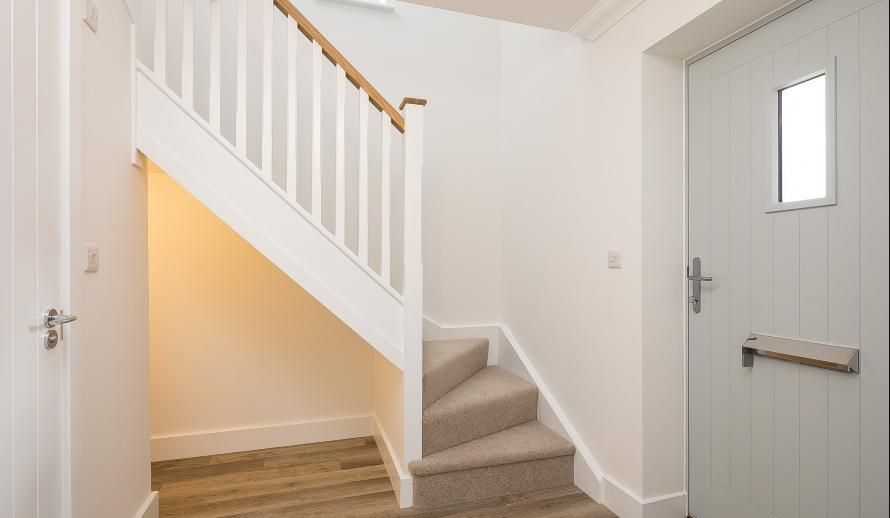
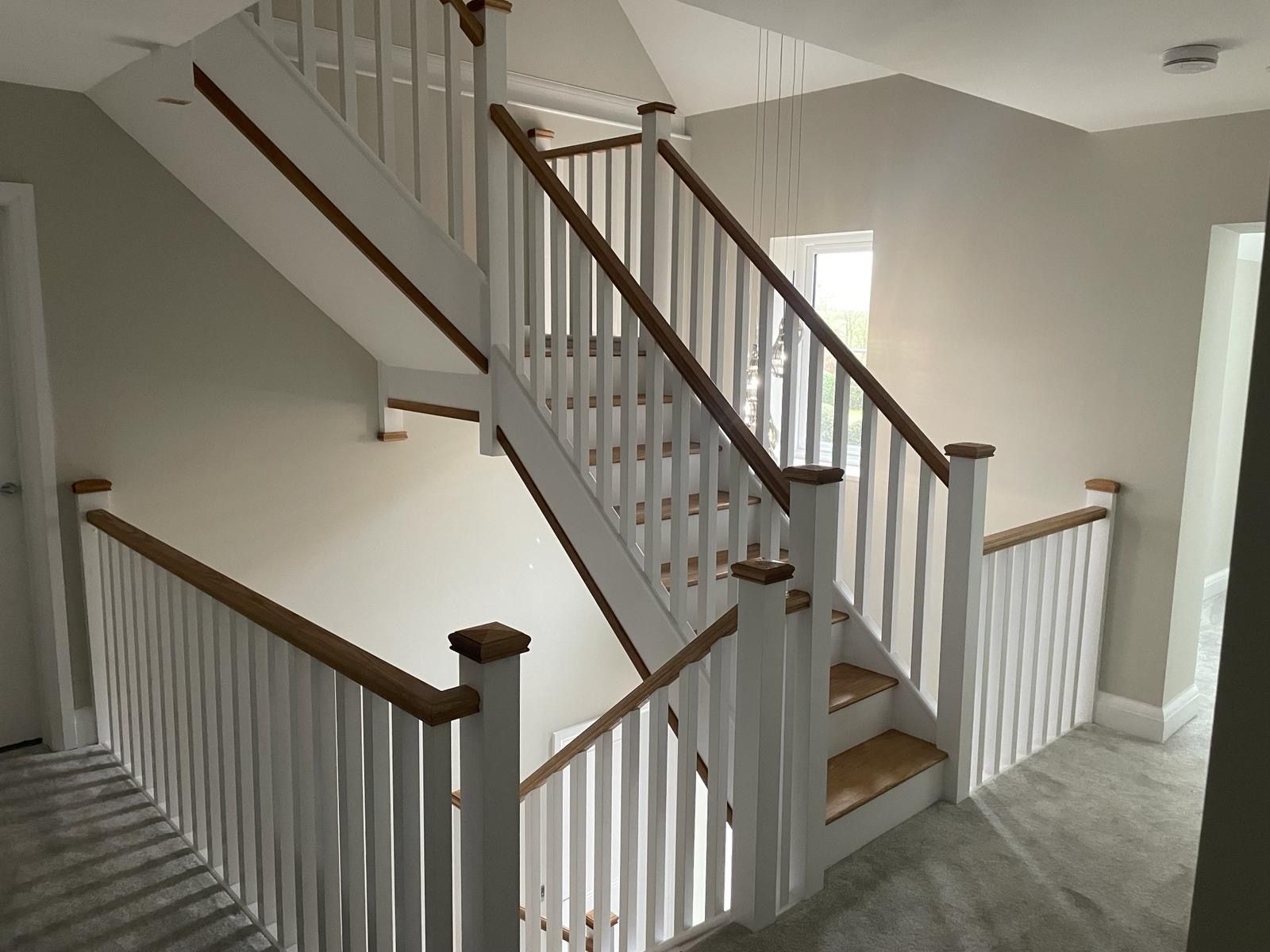
- Closed string construction for a classic staircase profile
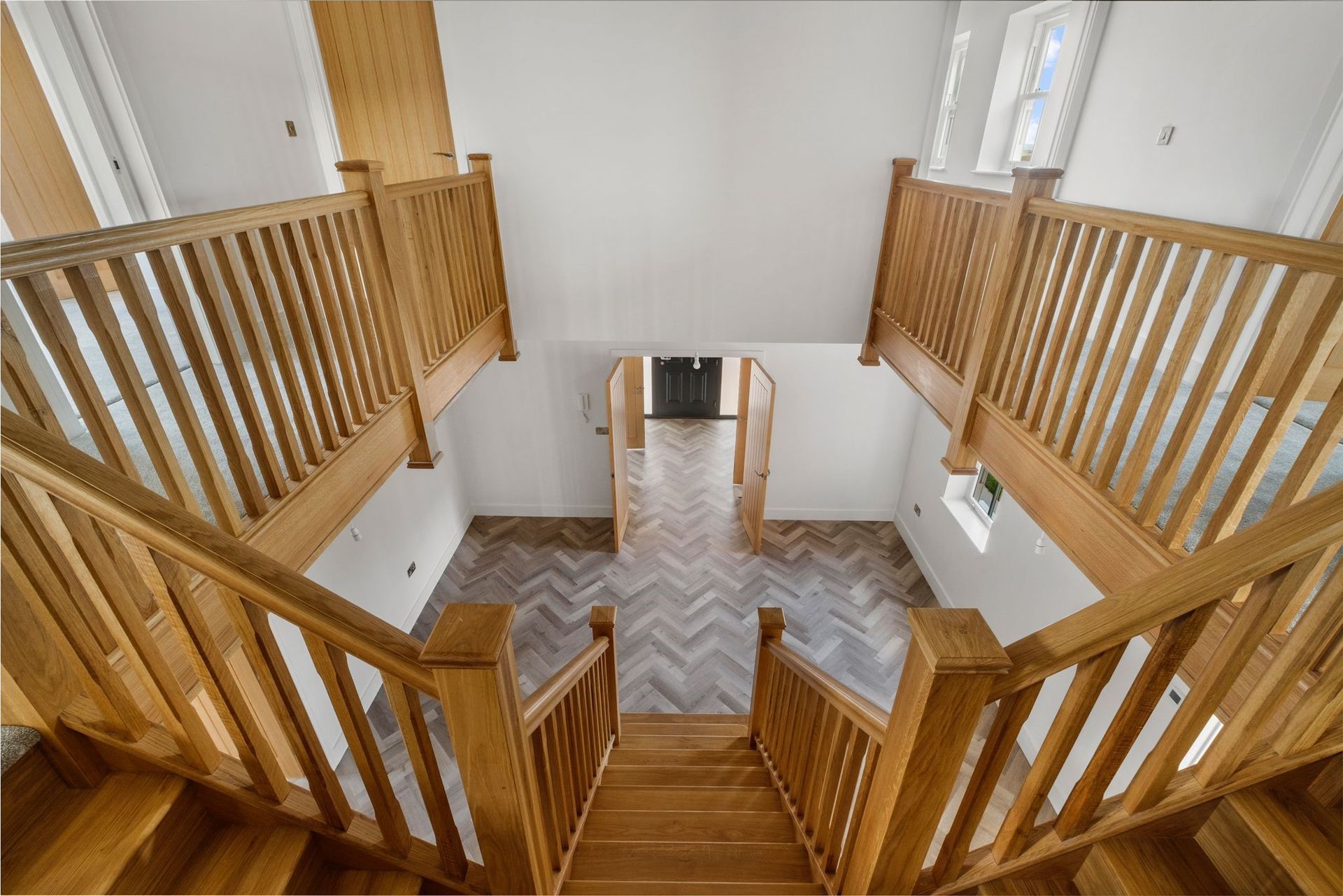
- Oak treads for warmth and durability
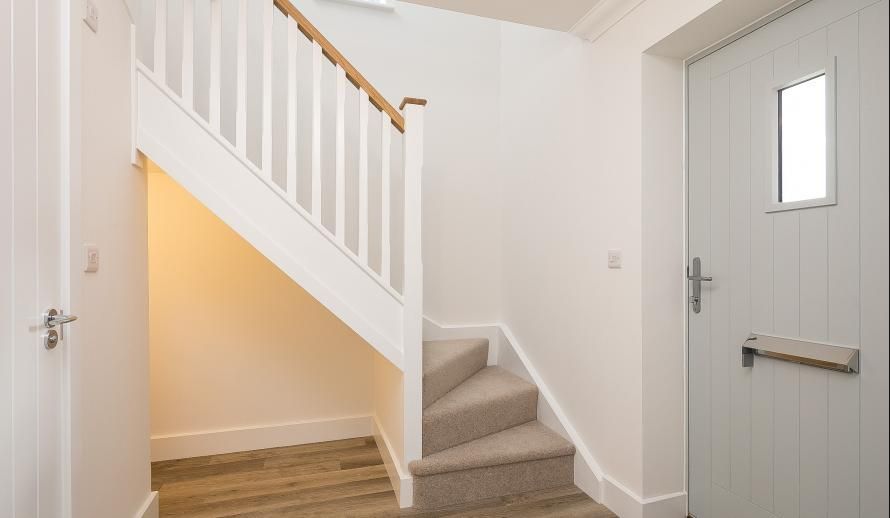
- Painted risers to keep the hallway feeling lighter
- Bespoke proportions to suit your exact home
That is why traditional staircases remain such a strong option.
They can feel classic without feeling old-fashioned, especially when the design is made around the property rather than copied from somewhere else.
Where Do Traditional Staircases Work Best in UK Homes?
Traditional staircases can work beautifully in lots of different homes, but they are especially effective in spaces where character, warmth and proportion matter.
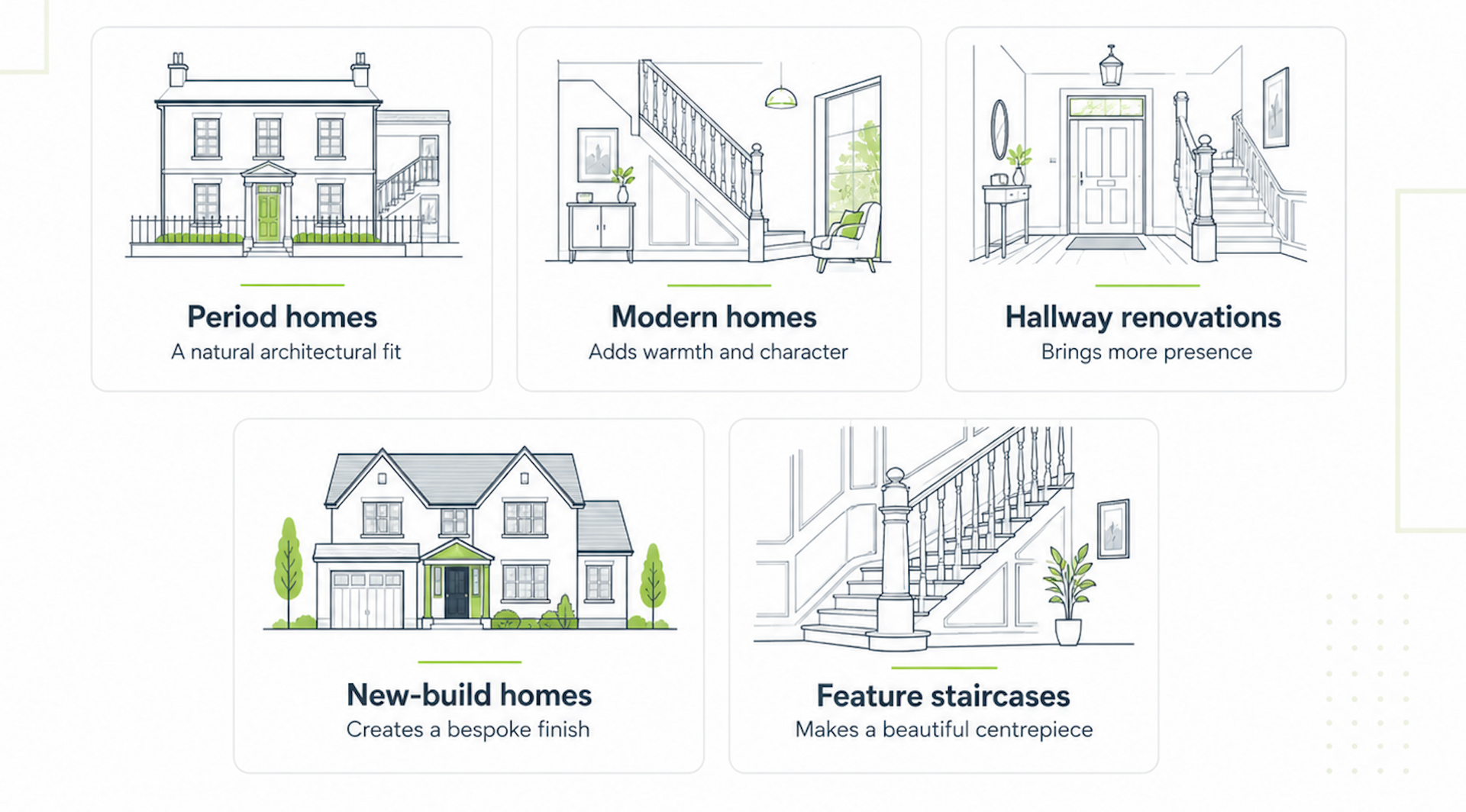
Period homes and character properties
Traditional staircases are a natural fit for period homes because the detailing often reflects the architecture already in the property.
In older homes, features such as timber handrails, spindles, newel posts and closed string construction can feel completely at home. They add to the character of the space rather than fighting against it.
If you are renovating a period property, a traditional staircase can help protect the feeling of the home while still making the hallway feel fresh, safe and beautifully finished.
Modern homes that need more warmth and character
A traditional staircase can also work well in a modern home, especially if the interior feels a little too plain or clinical.
Newer properties often have clean lines, neutral walls and open layouts. A traditional staircase can soften that look by adding texture, joinery detail and a stronger sense of craftsmanship.
The key is balance. You might not want an overly ornate staircase in a very modern home, but a simple traditional design with oak details, painted spindles and clean proportions can add just the right amount of character.
Renovations where the hallway needs more presence
In many renovation projects, the staircase is one of the biggest opportunities to change how the home feels.
If your hallway currently feels tired, basic or disconnected from the rest of the interior, a traditional staircase can help make it feel more intentional. It can turn a purely practical part of the house into a feature that adds depth and style.
This is especially useful where the staircase is one of the first things people see when they walk through the door.
New-build homes that need a more bespoke finish
A new-build home does not have to feel standard.
A bespoke traditional staircase can help give a new-build more individuality, especially when the rest of the interior is being upgraded with better flooring, doors, lighting or joinery.
Choosing details such as oak treads, a quality handrail or painted spindles can make the staircase feel more premium and more personal, without making the home feel overly traditional.
Homes where the staircase is intended to become a feature
Sometimes the staircase is not something you want to hide. It is something you want to celebrate.
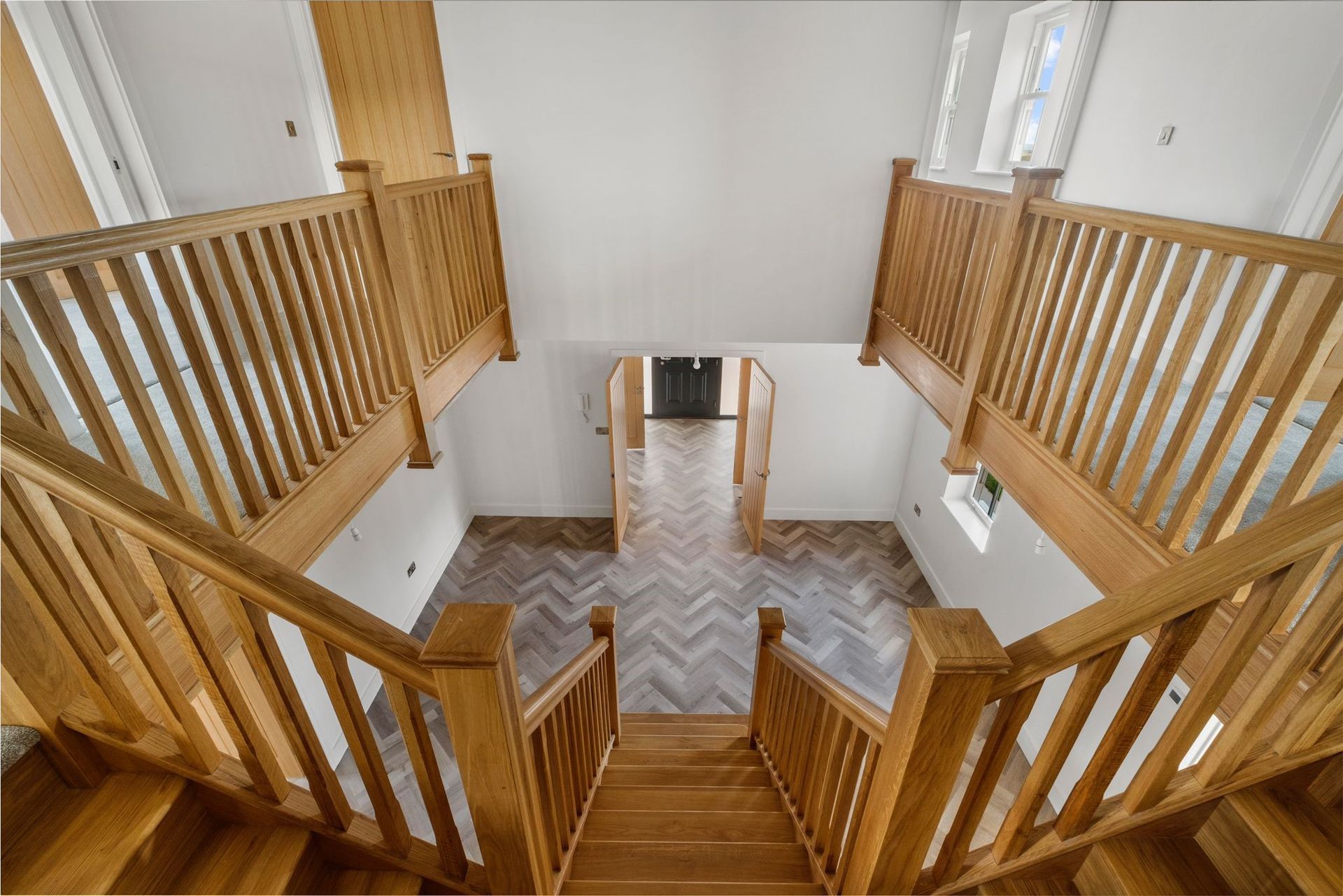
A traditional staircase can become a beautiful centrepiece, especially when it is made with carefully chosen materials and proportions.
Whether the look is classic, rustic, farmhouse-inspired or refined, the right staircase can make the whole hallway feel more designed and more complete.
Readers also like: A Bespoke Joinery Home Transformation - Case Study
What Makes a Traditional Staircase Feel Timeless Rather Than Dated?
A traditional staircase feels timeless when the details are carefully chosen for the home. It starts to feel dated when the design is too heavy, too generic or not suited to the space.
The difference is usually in the details.
Want warmth and durability? Oak is often the classic choice
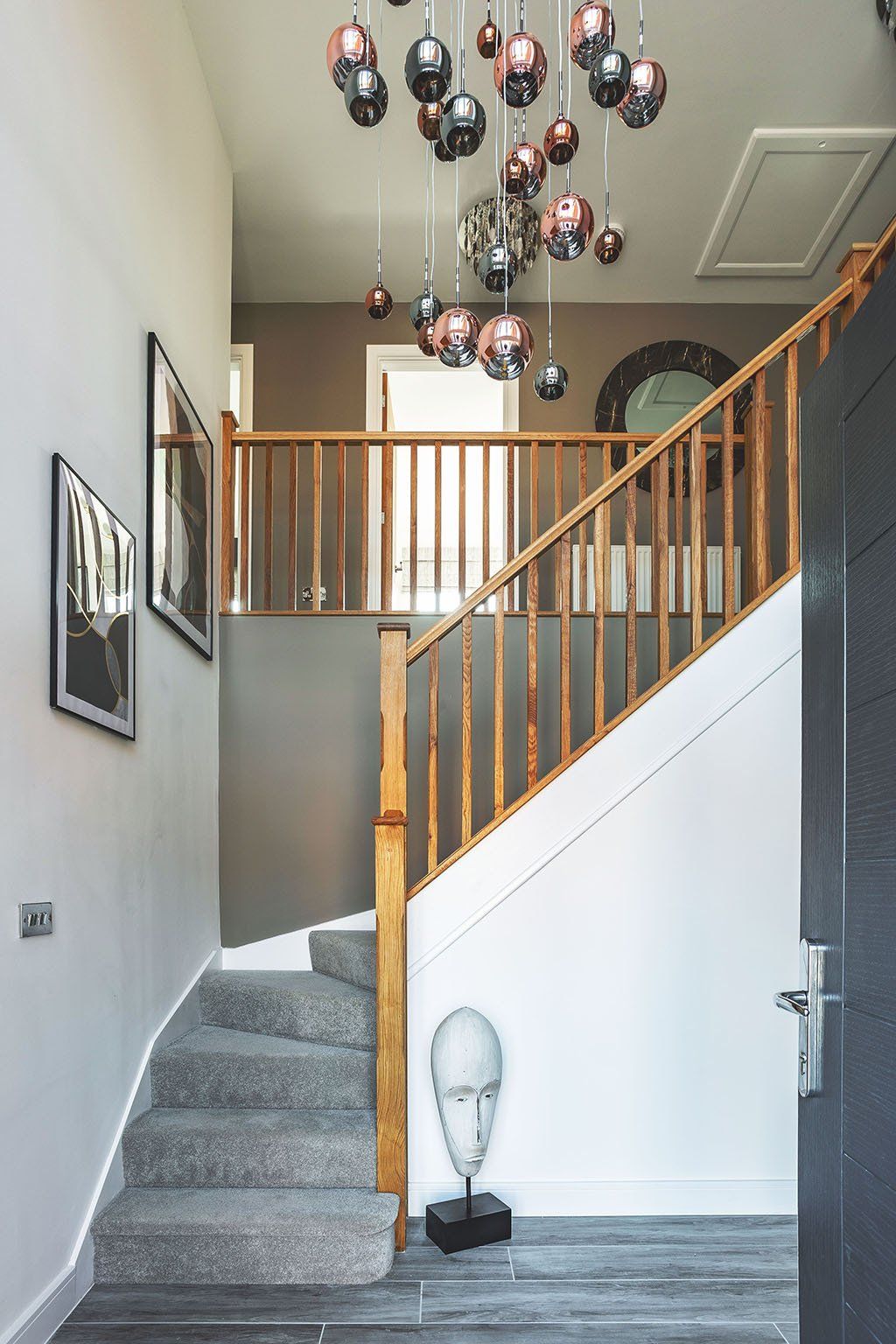
Oak is one of the most popular materials for traditional staircases because it is strong, durable and naturally full of character.
It works beautifully for handrails, treads, newel caps and feature details. The grain adds warmth, while the strength of the timber makes it well suited to everyday use in busy homes.
Oak can also be styled in different ways. It can feel rustic, classic, contemporary or refined depending on the finish, surrounding materials and overall staircase design.
If you want a traditional staircase that feels high quality without feeling overly decorative, oak is often a strong place to start.
Want a lighter traditional look? Painted spindles can soften the design
Traditional staircases do not have to feel dark or heavy.
Painted spindles are a good way to create a classic look while keeping the hallway feeling lighter. They work especially well when paired with an oak handrail or oak treads, giving you the warmth of timber without making the whole staircase feel too solid.
This can be a good option for smaller hallways, new-build homes or interiors where you want a traditional feel but still want the space to feel bright and fresh.
Looking for character? Newel posts and handrails make a big difference
Newel posts and handrails have a huge effect on how traditional a staircase feels.
A simple handrail can make the design feel understated and classic, while a more detailed profile can add a stronger sense of heritage.
Newel posts also help frame the staircase, giving it structure and presence.
These are the details that often make a staircase feel properly finished. They may seem small in isolation, but together they shape the whole look and feel of the hallway.
Need a classic staircase profile? Closed string construction gives a traditional finish
Closed string construction is one of the details most commonly associated with traditional staircases.
It creates a solid, grounded staircase profile where the side of the staircase encloses the treads and risers. This gives the staircase a more classic, structured appearance compared with more open or architectural styles.
A closed string staircase can work particularly well in family homes, period homes and renovations where you want the staircase to feel strong, reliable and timeless.
Want the staircase to feel made for your home? Bespoke proportions matter
A traditional staircase should never feel like it has simply been dropped into the space.
The rise, run, width, spindle spacing, handrail position, materials and finish all affect how the staircase looks and feels. When these details are made to suit your home, the result feels more natural and more considered.
This is where bespoke staircase design makes a real difference. Instead of choosing a standard staircase and hoping it works, you can create something that suits your hallway, ceiling height, flooring, interior style and everyday use.
What Are The Main Benefits of a Traditional Staircase?
Traditional staircases are popular because they offer more than one type of value. They can improve how the home looks, how it feels and how finished the space appears.
Want your home to feel warmer? Traditional staircase details add character
Traditional staircase details can make a hallway feel warmer and more welcoming.
Oak, painted timber, handrails, spindles and newel posts all add texture and visual interest. This can be especially useful in homes where the entrance feels plain, narrow or lacking in character.
Instead of the staircase feeling like a background feature, it becomes part of the home’s personality.
Looking for something that will not date quickly? Traditional designs have lasting appeal
One of the biggest advantages of a traditional staircase is that it is not purely trend-led.
While colours, finishes and interior styles may change, well-made timber joinery has long-lasting appeal. A traditional staircase can be updated through paint colours, carpet runners, wall finishes and surrounding décor without needing to replace the staircase itself.
This makes it a strong choice if you want something that feels considered now and still looks appropriate in years to come.
Want a staircase that suits the rest of your home? Bespoke design gives more control
A made-to-measure traditional staircase gives you more control over the final result.
You can choose the timber, finish, handrail style, spindle design, newel posts and overall look. This is especially useful if you are trying to match existing doors, flooring, skirting, wall colours or period features.
Instead of compromising with a standard option, the staircase can be designed to feel connected to the rest of the home.
Need something practical for everyday use? Timber staircases are strong and reliable
Traditional staircases are not just chosen for how they look. They are also practical.
Timber is strong, familiar and well suited to everyday family life. It can be repaired, refinished and adapted more easily than some more trend-led materials, which makes it a reliable choice for busy homes.
When designed and installed properly, a traditional staircase can be both beautiful and hard-working.
What Are The Possible Downsides of a Traditional Staircase?
Traditional staircases have many benefits, but it is still worth being honest about the practical considerations. The right design can usually solve these issues, but they should be thought about before you commit.
Worried it will look too old-fashioned? The detail needs to suit the home
A traditional staircase can look dated if the detailing is too heavy for the space.
For example, a small modern hallway may not suit very ornate spindles or dark timber throughout. But that does not mean a traditional staircase is wrong. It simply means the design needs to be adapted.
A cleaner handrail, painted spindles or a lighter oak finish can give you the traditional character without making the hallway feel too formal or old-fashioned.
Concerned it will make the hallway feel darker? Colour and finish matter
A fully dark timber staircase can make some hallways feel heavier, especially if there is limited natural light.
The solution is often to balance timber with lighter finishes. Painted risers, white or neutral spindles, and carefully chosen oak accents can keep the look warm without making the space feel closed in.
Lighting, wall colour and flooring also make a big difference.
Working with a smaller hallway? Proportions become even more important
Traditional staircases can work in smaller homes, but the proportions need to be right.
If the handrail feels too chunky, the spindles feel too busy or the timber finish feels too dark, the staircase may dominate the hallway. A bespoke design review can help you choose details that suit the scale of the space.
Sometimes the simplest traditional details work best.
Want a very modern look? A traditional staircase may need a contemporary twist
If your home is very minimal or ultra-modern, a traditional staircase may need to be softened or simplified.
That could mean choosing square spindles, a clean oak handrail, a painted finish or a more understated newel post. The aim is to add warmth and craftsmanship without making the staircase feel disconnected from the rest of the interior.
The best designs often combine traditional structure with modern restraint.
Can Traditional Staircases Work in Modern Homes?
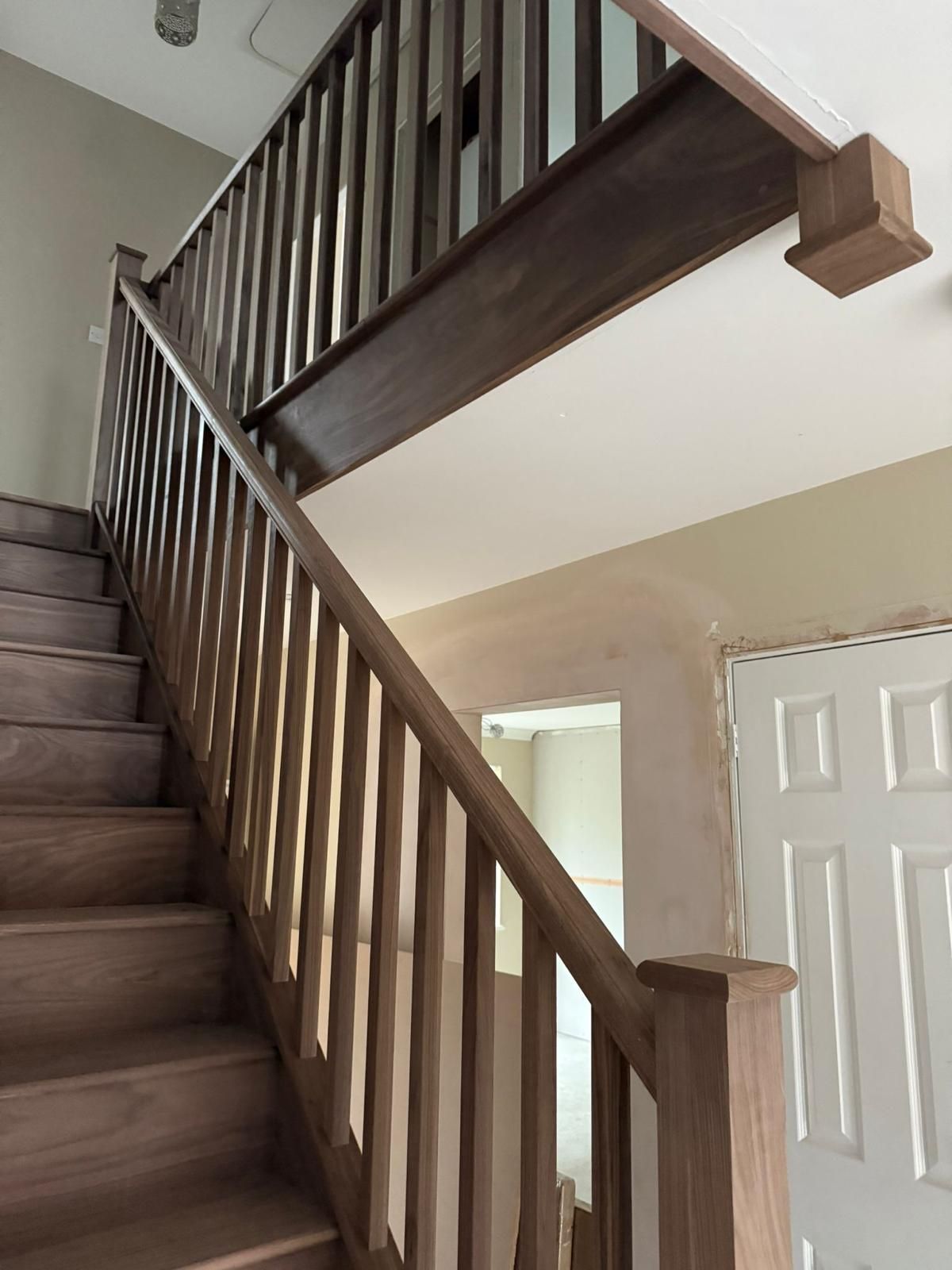
Yes, traditional staircases can work beautifully in modern homes when the design is balanced with the rest of the interior.
In fact, this is one of the reasons they remain popular. Many modern homes benefit from a staircase that adds warmth, texture and a stronger sense of identity.
A traditional staircase can stop a new-build or recently renovated home from feeling too plain. It can also create contrast against cleaner lines, simple walls and contemporary flooring.
The key is not to overdo the detail.
For modern homes, you might choose:
- Painted spindles for a lighter look
- Oak treads or handrails for warmth
- Simple newel posts instead of ornate detailing
- A clean closed string staircase
- Neutral finishes that work with the rest of the home
This gives you the character of a traditional staircase without making the space feel dated.
| If your priority is… | Traditional staircase | Modern staircase |
|---|---|---|
| Warmth and character | Adds detail, texture and a crafted feel | Can feel cleaner and more minimal |
| A timeless look | Strong choice when designed with balanced details | Works well when the home has a contemporary style |
| A brighter, more open feel | Can be lighter with painted finishes and simple details | Often better for open sightlines, especially with glass |
| A family-friendly design | Timber is practical, familiar and durable | Depends on materials and layout |
| A statement hallway | Creates presence through craftsmanship and detail | Creates impact through shape, glass or architectural lines |
| A period or character property | Usually a natural fit | May need careful balancing |
| A new-build home | Adds warmth and individuality | Keeps the home feeling sleek and contemporary |
In many homes, the best option is not completely traditional or completely modern. It is a thoughtful combination.
For example, an oak handrail with painted spindles can feel classic and fresh.
A traditional staircase with cleaner lines can work well in a modern home. A more detailed staircase can suit a period property without feeling overdone.
The right choice depends on your space, your interior style and how you want the hallway to feel every day.
Why Choose Central Joinery Group? 30+ Years of Joinery Expertise, Bespoke Staircase Design and UK Craftsmanship
As staircase styles continue to evolve, our purpose remains the same - to create beautifully made joinery that transforms homes, suits real spaces and stands the test of time.
Homeowners choose Central Joinery Group because we are more than a staircase supplier.

We are bespoke staircase and specialist joinery experts, combining traditional craftsmanship, modern manufacturing methods and over 30 years of experience.
- Bespoke by design - every staircase is made to suit your home, layout and personal style.
- Built around your space - from traditional spindles and oak handrails to full made-to-measure staircases, each design is carefully planned around how your home is used.
- Made with precision - we combine skilled joinery with modern technology to support accuracy, consistency and a high-quality finish.
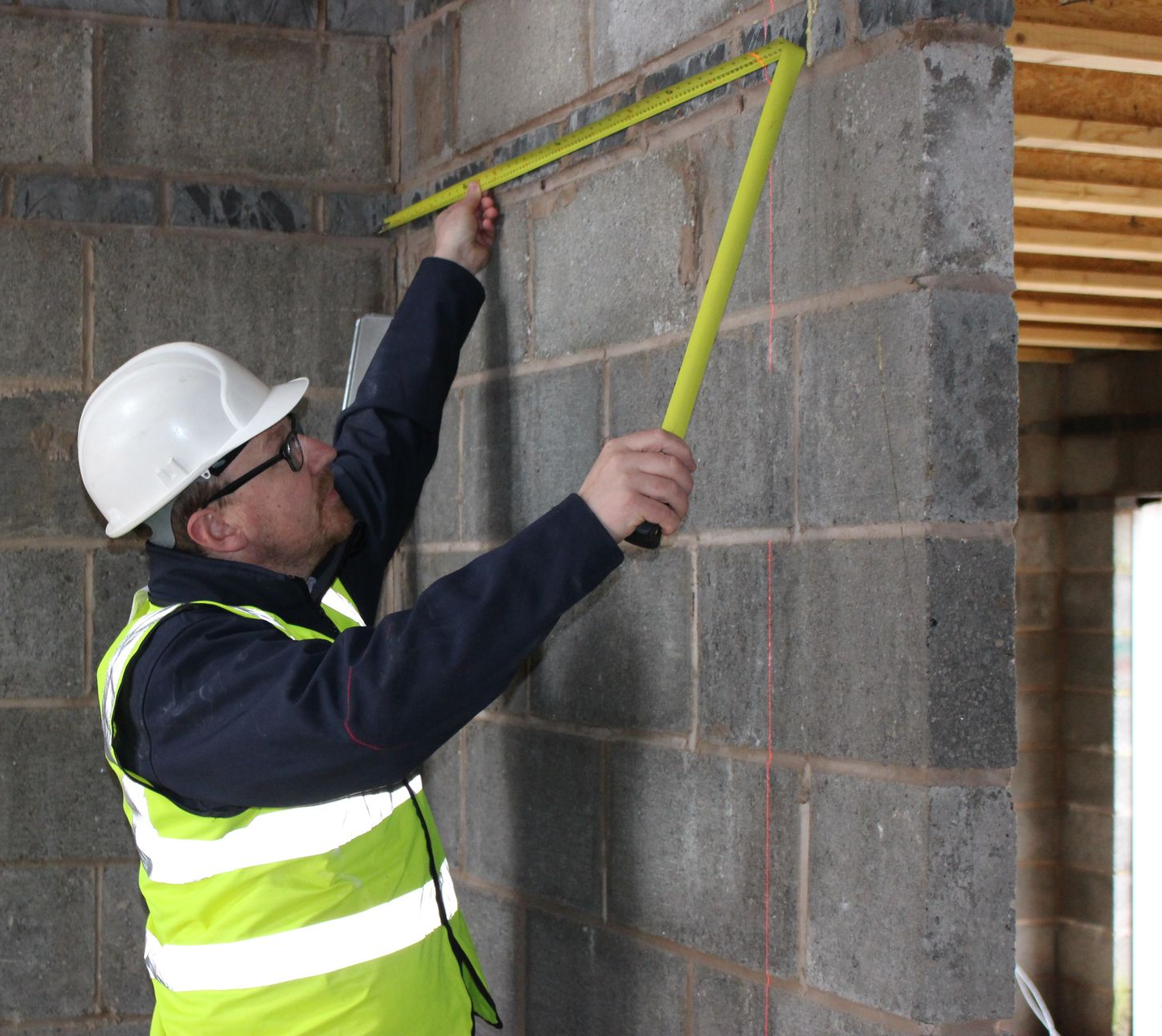
- Checked before delivery - every staircase is carefully reviewed before installation, helping reduce guesswork and make the final fit smoother.
- Made in the UK - manufactured with quality, durability and attention to detail at the heart of every project.
- Trusted nationwide - working with homeowners, developers, architects and commercial clients across the UK.
Our projects combine craftsmanship, technical expertise and considered design - the hallmarks of a bespoke joinery specialist that understands both how a staircase should look and how it needs to perform.
What Would a Traditional Staircase Look Like in Your Home? Explore the Character, Craftsmanship and Finish With a Bespoke Design Review
By now, you have seen how traditional staircases can add warmth, structure and timeless character to a home - from oak handrails and painted spindles to made-to-measure proportions and classic joinery details.
The next step is working out what would suit your home.
Would oak make your hallway feel warmer?
Would painted spindles create a lighter finish?
Should your staircase feel subtle and classic, or become a stronger feature?
Would a traditional design suit your modern home, period property or renovation project?
And which details will work best with your layout, budget and everyday use?
That is where a bespoke staircase design review can help.
Central Joinery Group’s design review gives you the chance to talk through your ideas with a staircase specialist before committing to anything. Instead of guessing what might work, you can get clear advice on your layout, materials, budget and design options.
During the design review, you can explore:
- Which traditional staircase style will suit your home best
- Whether oak, painted timber or a combination of finishes is right for your space
- How to choose spindles, handrails, newel posts and treads
- Whether your current staircase can be renovated or should be replaced
- How to balance character, light and practicality
- What options are realistic for your budget
- How the finished staircase could look before it is made
This makes the process much easier, especially if you know you want a staircase with character but are not sure which details will give you the best result.
With over 30 years’ experience, UK manufacturing, bespoke design support and professional craftsmanship, Central Joinery Group can help you create a traditional staircase that feels beautiful, practical and completely right for your home.
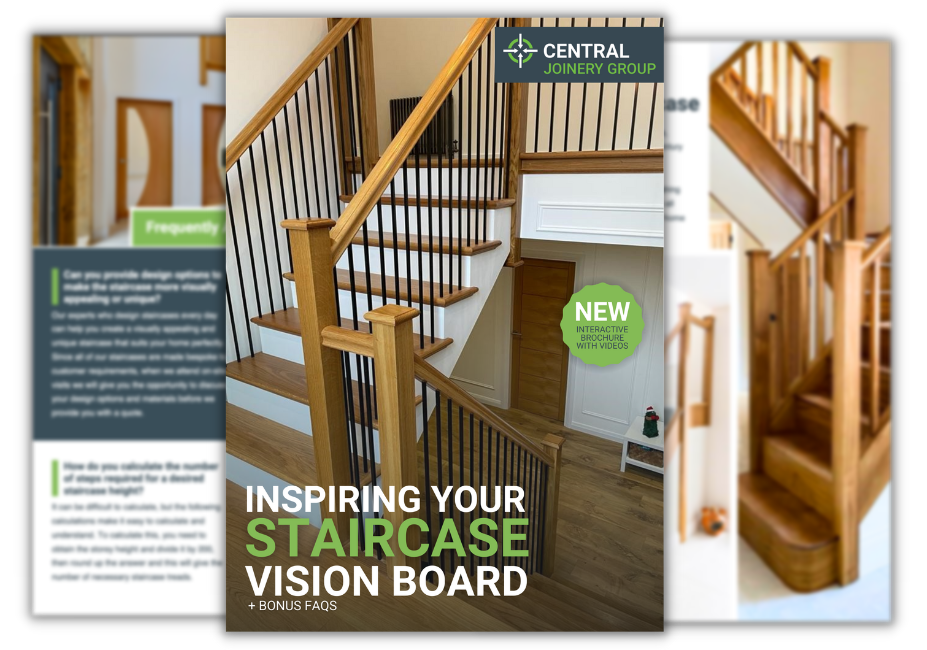
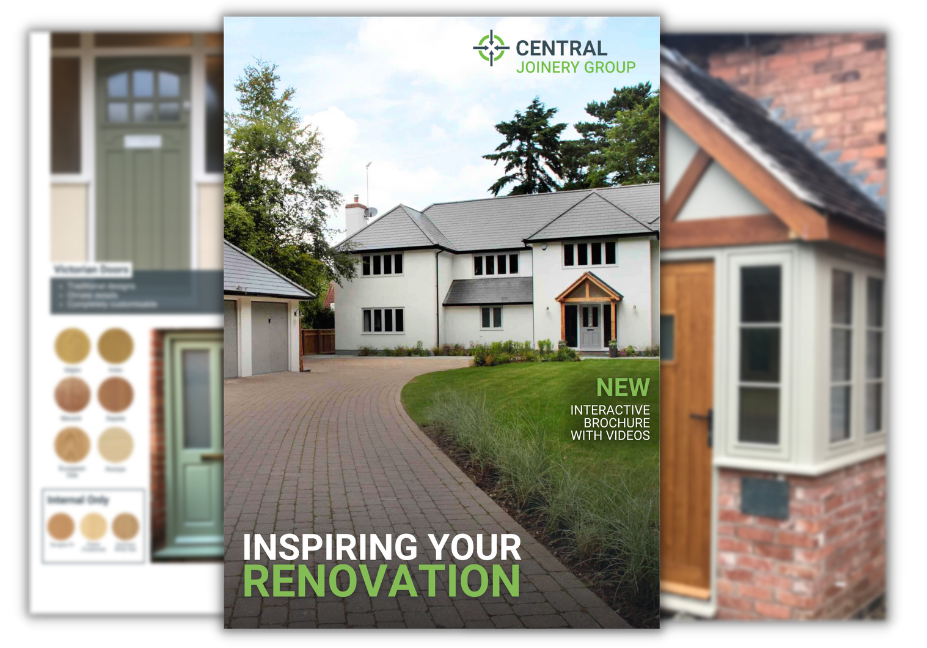
Download Our Latest Brochures
Get your #HomeInspiration fix by browsing the stunning staircases and bespoke joinery solutions showcased in our latest brochures.
Learn More About Central Joinery Group
Book A Free Bespoke Design Review
Bring your ideas to life and discuss the logistics, including price and estimated completion timelines with your dedicated sales surveyor.